There is something incredibly rewarding about creating a handmade garment for your four-legged companion. As the temperature drops, a premium, cozy knitted dog sweater becomes more than just a cute fashion statement—it is a functional layer that keeps your pet warm, comfortable, and protected against the elements. Whether you are an experienced knitter looking for intricate knitted sweaters for dogs patterns or a beginner seeking a dog jumper knitting pattern easy enough for a weekend project, the world of canine knitting offers endless creativity.
Crafting your own dog apparel allows you to customize the fit, color, and material to match your dog's unique personality and body shape. In this guide, we will explore the essential aspects of knitting for dogs, from selecting the right yarns to understanding sizing, interpreting popular dog sweater patterns, and ensuring a comfortable fit for pets of all shapes and sizes.
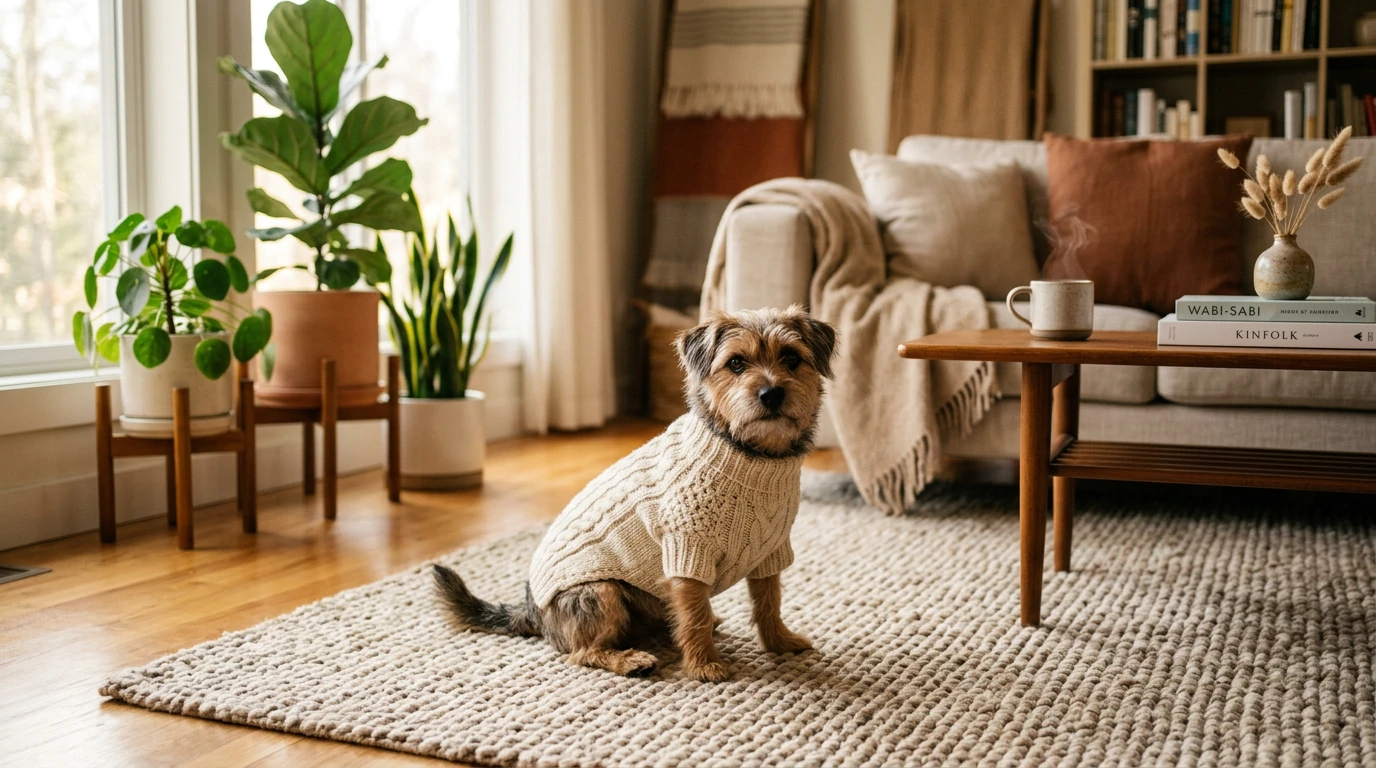
This narrower guide makes more sense alongside the broader Dog Sweaters, Hoodies, and Everyday Cold-Weather Layers, which frames how this topic fits into the bigger ownership picture.
Why Knit a Dog Sweater? The Blend of Style and Function
While store-bought coats are readily available, they rarely match the comfort, flexibility, and precise fit of custom knitted dog sweaters. Traditional manufacturing often designs for a generic dog silhouette, which can lead to chafing, restriction of movement, or garments that slip off entirely.
Knitting for your dog offers several key benefits:
- Custom Tailoring: Every breed has a distinct shape. Deep-chested dogs, short-legged breeds, and long-bodied hounds all require minor adjustments to standard patterns to prevent underbelly sagging or chest tightness.
- Thermal Regulation: Breeds with thin undercoats or minimal body fat rely on extra layers during the autumn and winter months. For instance, sleek, short-haired breeds highlighted in our Doberman Pinscher Temperament Care and Ownership Guide have low cold tolerance and benefit immensely from a snug, high-quality knitted layer to keep their large muscle groups warm during chilly walks.
- Anxiety Reduction: Much like weighted blankets, a form-fitting, soft knitted dog sweater can provide a gentle, reassuring pressure that helps soothe anxious or sensory-sensitive dogs.
- Creative Expression: Knitting allows you to experiment with colors, textures, ribbing patterns, and whimsical styles that reflect your pet's personality.
Choosing the Right Yarn for Your Dog Sweater
Before picking up a dog sweater knitting pattern, selecting the appropriate yarn is your most important decision. A dog's lifestyle demands a yarn that is durable, washable, stretchy, and incredibly soft against their skin.
1. Superwash Merino Wool
Superwash wool is treated to prevent felting when washed. It retains the natural warmth, elasticity, and breathability of real wool while being convenient to clean. It is highly recommended for active dogs who love outdoor adventures.
2. Premium Acrylic Blends
For those seeking free knitting patterns for dog sweaters that are budget-friendly and easy to care for, high-quality acrylics are a fantastic choice. Acrylic is machine-washable, dryable, hypoallergenic, and does not hold onto odors as easily as untreated animal fibers. Look for premium, anti-pilling acrylics that feel soft rather than scratchy.
3. Cotton-Bamboo Blends
If you live in a milder climate or want a lightweight spring knit puppy sweater pattern, cotton blended with bamboo provides excellent stitch definition, breathability, and a cool, soft feel that won't cause your puppy to overheat.
Pro Tip: Always avoid yarns with loose fibers, metallic threads, or heavy sequins that your dog could chew off and ingest. Sticking to smooth, tightly spun yarns keeps the garment safe and long-lasting.
Choosing Your Knitting Method: Circular vs. Straight Needles
When exploring knitting patterns for dogs, you will find that construction generally falls into two categories: knitting flat on straight needles or knitting in the round on circular needles.
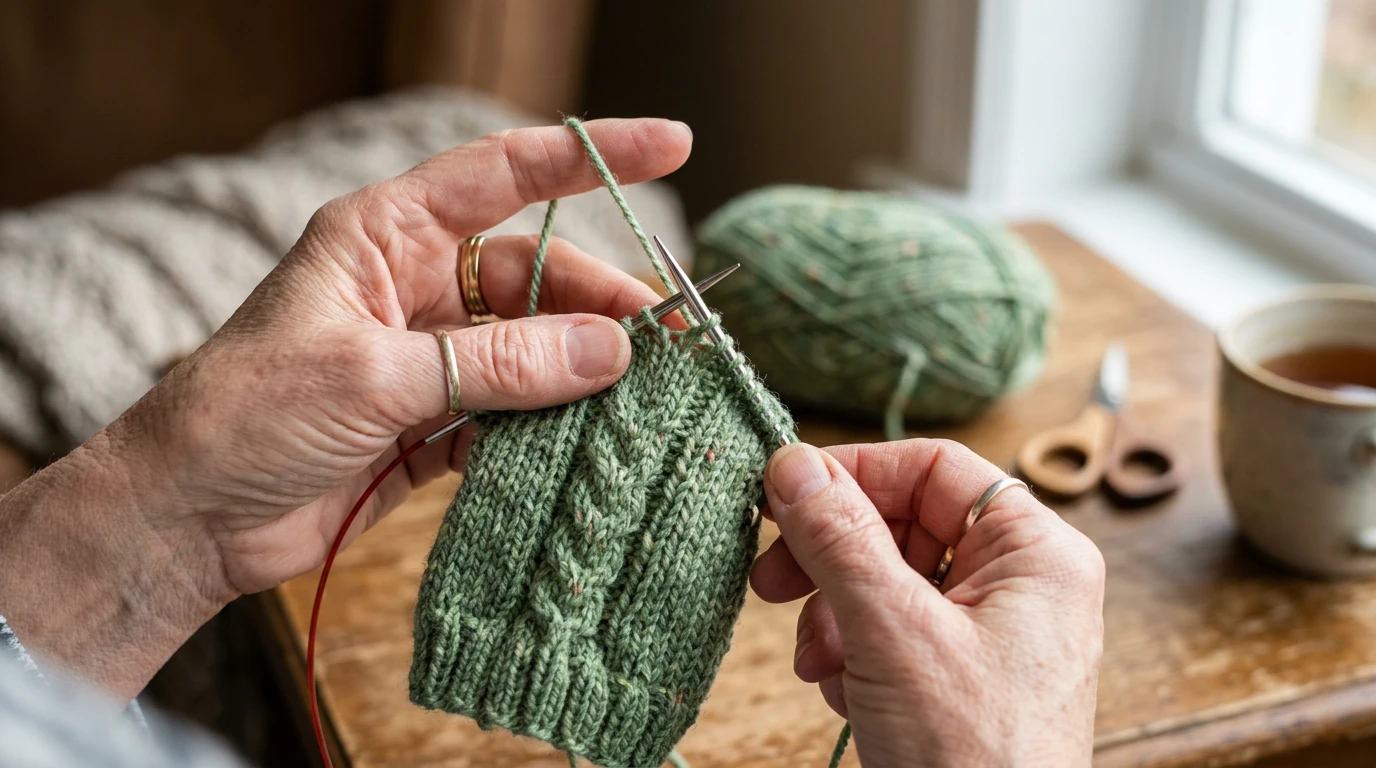
Flat Knitting (Seamed)
If you are a beginner, working with a free dog sweater knitting pattern designed for straight needles is highly approachable. You knit the back piece and the underbelly piece separately, then sew them together along the sides, leaving gaps for the legs.
If this style of construction appeals to you, you can explore our detailed guide on the Free Dog Sweater Knitting Pattern Straight Needles: Patterns, Fit Tips, and Practical Ideas to get started on flat-knit projects that require zero circular needle work.
Circular Knitting (Seamless)
Many modern knitted sweaters for dogs patterns utilize circular needles to knit the body seamless from the collar down. This method creates a highly professional finish, eliminates bulky seams that could rub against your dog's skin, and offers excellent natural elasticity. Seamless designs are particularly great for active dogs who run, jump, and play extensively.
How to Measure Your Dog for a Perfect Fit
To ensure your dog sweater pattern fits beautifully without dragging on the ground or restricting movement, you must take three essential measurements using a soft tape measure. Keep the tape snug but not tight against your dog’s coat.
| Measurement | How to Measure | Why it Matters |
|---|---|---|
| 1. Neck Girth | Measure around the widest part of the neck, right where a collar sits naturally. | Ensures the collar is stretchy enough to slip over the head easily without being loose enough to slide off. |
| 2. Chest Girth | Measure around the deepest part of the ribcage, just behind the front legs. | The most critical measurement. If the chest is too tight, the sweater will pinch; if too loose, legs can slip inside. |
| 3. Back Length | Measure from the base of the neck (nape) to the base of the tail. | Determines how much coverage your dog gets. For male dogs, you must stop the underbelly ribbing early to prevent soiling. |
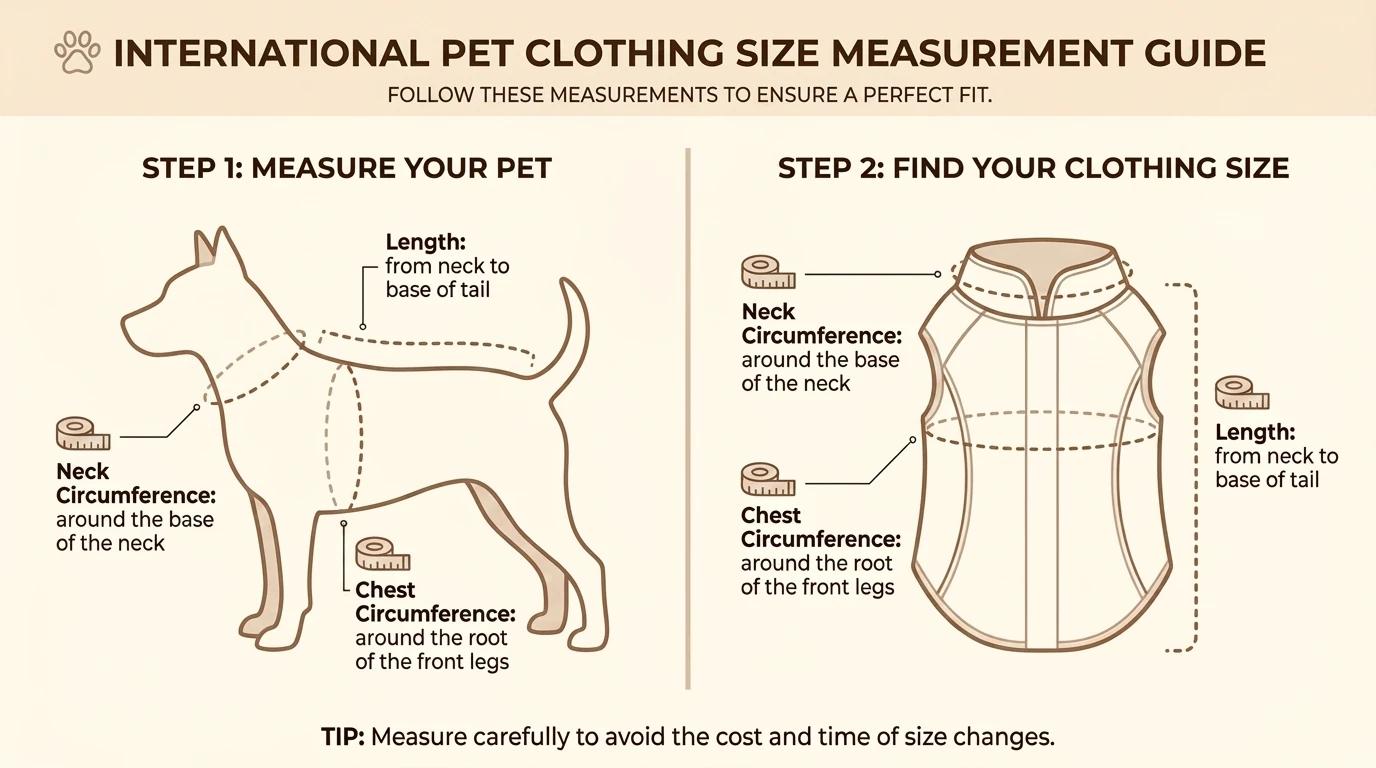
Once you have these measurements, compare them to the sizing chart provided in your chosen dog jumper knitting pattern. When in doubt, it is generally best to size up slightly to accommodate natural movement, or adjust the length by knitting more or fewer rows before the bottom ribbing.
Deconstructing a Standard Dog Pullover Pattern
Most seamless dog pullover pattern options follow a top-down construction path. This format is incredibly versatile because it allows you to try the sweater on your dog as you knit, letting you check the length and leg placement in real-time.
1. The Ribbed Collar
Typically started with a 1x1 or 2x2 rib stitch, the collar provides elasticity. It can be folded over like a classic turtleneck or kept short and sporty. A stretchy cast-on, like the German Twisted Cast-on, is highly recommended to ensure it slides comfortably over your dog's ears.
2. The Chest Increases
After the collar, you will transition to the main body. To accommodate the wide chest of your dog, you will perform raglan-style increases or make gradual increases along the sides. Using simple yarn overs or "make one right/left" (M1R/M1L) stitches keeps these increases neat and structurally sound.
3. Creating the Leg Openings
When the chest depth is reached, you will create leg holes. In a seamless pattern, this is achieved by binding off a set number of stitches on either side of the chest, working the back and chest panels separately for a few rows to create height, and then casting those stitches back on in the next round. This creates comfortable, non-restrictive openings for your dog's front paws.
4. Body Shaping and the Underbelly
Because dogs have a tapered waist, you will often decrease stitches as you work toward the hips. For male dogs, it is vital to shorten the underbelly portion of the sweater. Most easy knit dog sweater patterns free will guide you to bind off the underbelly stitches early, continuing to knit the back panel in flat rows to drape over the hips.
Specialty Patterns: Puppies and Small Breeds
Knitting for Growing Puppies
If you are looking at a knitting pattern for puppy jumper creations, keep in mind that puppies grow at an astonishing rate. A knit puppy sweater pattern should focus on simplicity and stretch. Look for rib-heavy patterns (like a full cardigan rib or mistake rib) that can expand horizontally as your puppy fills out.
Using knitting patterns for puppy sweaters free is a wonderful way to practice your skills without committing a large amount of premium yarn. Since puppies are still developing their house-training habits, choose highly washable fibers for any puppy coat knitting pattern you execute.
Tailored Patterns for Small Breeds
Small dogs, such as Toy Poodles, Chihuahuas, and Yorkies, lose body heat rapidly and benefit from constant indoor warmth. When selecting a free knitting pattern small dog sweater, look for details like closed underbellies and snug sleeves to maximize heat retention. A lightweight dog sweater patterns for small dogs compilation can help you whip up a wardrobe of colorful, cozy sweaters using leftover scrap yarns from your stash.
Customizing Your Knitted Dog Sweaters
Once you have mastered the basic construction of a jumper for dogs knitted in plain stockinette stitch, you can begin customizing your creations with advanced techniques:
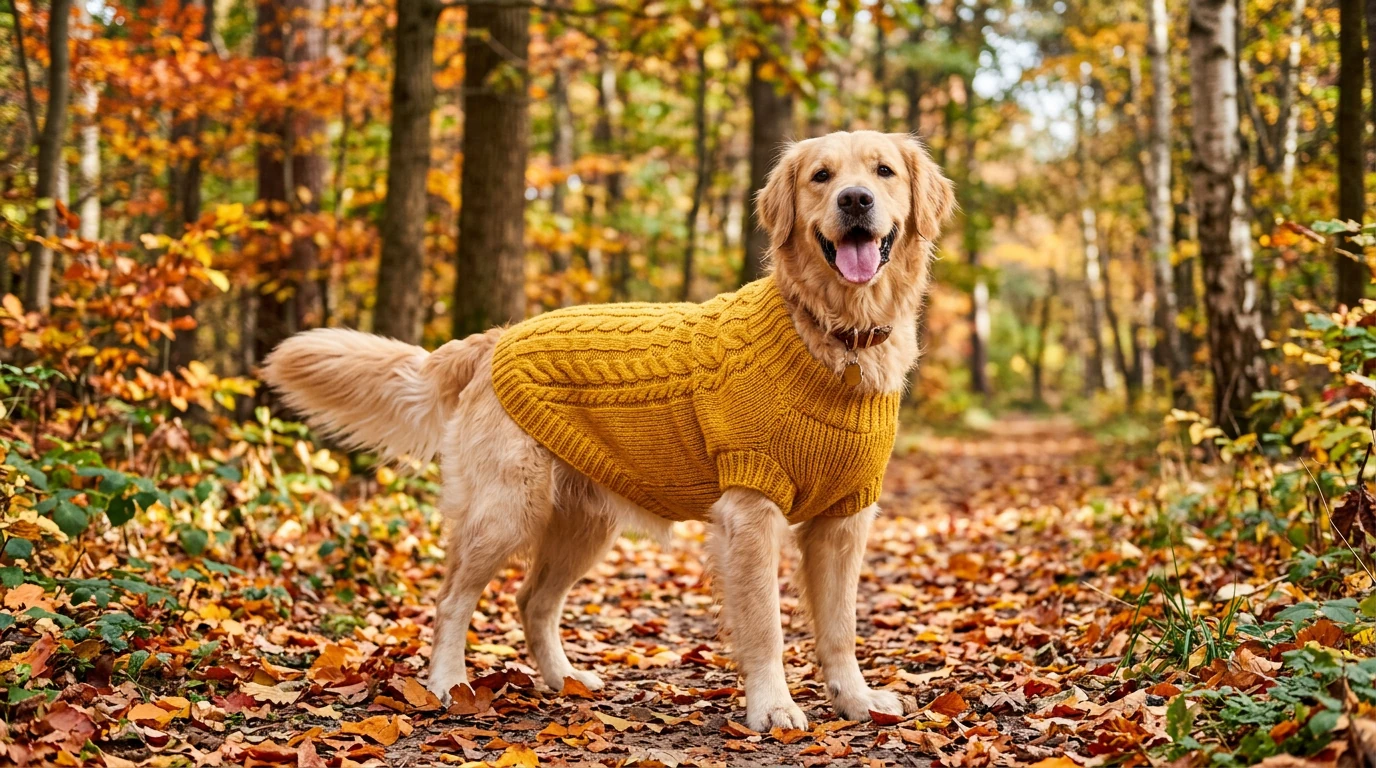
- Cables and Textures: Adding a classic cable panel down the back of a dog jacket knitting pattern adds structure, thickness, and a timeless heritage aesthetic.
- Colorwork: Incorporate playful stripes, fair isle patterns, or your dog’s initial using duplicate stitch embroidery after the knitting is complete.
- Matching Accessories: To make the ultimate outdoor photo-ready set, you can even coordinate your sweater with a matching Dog Knit Hat Pattern to keep their ears warm and cozy during breezy morning strolls.
Frequently Asked Questions (FAQ)
How do I wash a hand-knitted dog sweater?
To extend the life of your knitted dog sweater, hand wash it in cool water with a mild, pet-safe wool wash. Gently squeeze out excess water using a clean towel (do not wring), and lay the sweater flat to dry. Avoid high heat dryers, which can shrink wool or warp acrylic fibers.
How can I stop the bottom of the sweater from curling?
Stockinette stitch naturally curls at the edges. To prevent this, always finish the bottom edge of your dog sweater pattern with at least an inch of 1x1 ribbing, garter stitch, or seed stitch. This flat, balanced texture will keep the hem lying perfectly flat against your dog’s back.
What if my dog doesn't like wearing sweaters?
Introduce the sweater slowly. Let them sniff the garment first, offering high-value treats. Slip it on for just a few minutes indoors while offering praise and play. Ensure the armholes are not binding or restricting their natural gait; a comfortable, well-fitting sweater will quickly become something they look forward to wearing when the weather turns cold.
Ready to Start Your Next Project?
Whether you are using a free dog jumper knitting pattern to create a cozy coat for your senior dog, or downloading a detailed easy knit dog sweater patterns free pdf for a special holiday gift, dog knitting is a wonderful way to show your love. By selecting comfortable yarns, measuring accurately, and focusing on a functional fit, you can create gorgeous, durable knitwear that keeps your companion warm and happy through every season.
That comparison becomes clearer if you also read Cozy Up: The Ultimate Dog Knit Hat Pattern and Crafting Guide and Free Dog Sweater Knitting Pattern Straight Needles: Patterns, Fit Tips, and Practical Ideas, since they show how accessories and simpler needle setups change the project experience.