Bulldog Sweaters: How to Choose the Right Fit and Style
With their soulful eyes, low-slung frames, and famously wrinkly faces, bulldogs possess a charm that is entirely their own. Whether you share your home with an English Bulldog, a French Bulldog, or an American Bulldog, you already know that their unique physical build sets them apart from other breeds. But that signature, stocky silhouette—characterized by a broad chest, thick neck, and compact torso—also presents a classic wardrobe dilemma when cold weather sets in.
Finding off-the-rack dog clothes that actually fit a bulldog can feel like an impossible task. Most standard dog apparel is designed for proportional, slender, or athletic canine bodies. Try to squeeze a bulldog into a standard large sweater, and it will likely bunch up at the neck, pinch under the armpits, or trail far too long past their tail.
In this comprehensive guide, we will explore why sweaters for bulldogs are more than just a cute fashion statement, how to accurately measure your barrel-chested companion, what design elements to prioritize, and how to choose a bulldog sweater that blends comfort, safety, and undeniable style.
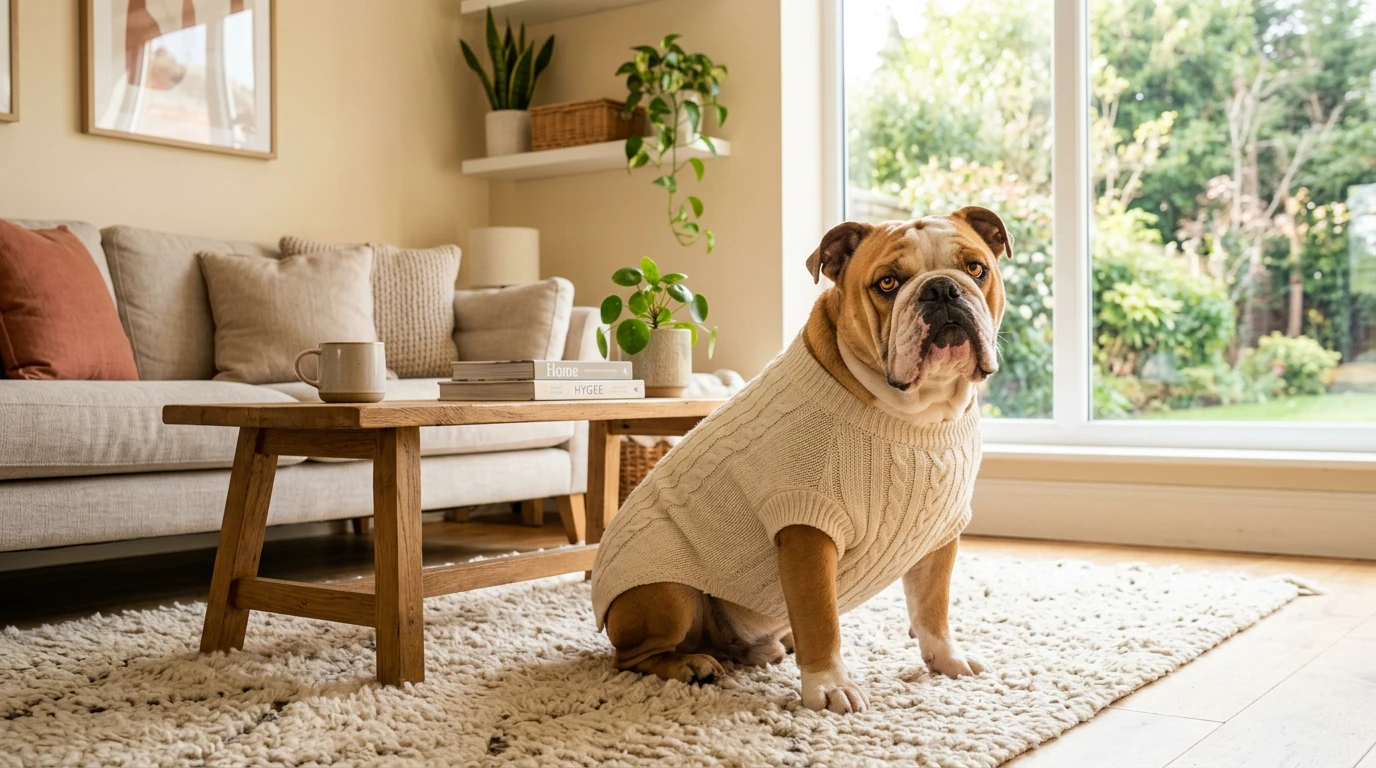
This narrower guide makes more sense alongside the broader Dog Sweaters, Hoodies, and Everyday Cold-Weather Layers, which frames how this topic fits into the bigger ownership picture.
Why Do Bulldogs Need Sweaters?
It is easy to assume that stocky, muscular dogs like bulldogs are naturally resilient to chilly weather. However, the reality of their physiology is quite the opposite. Bulldogs are surprisingly vulnerable to temperature drops, and a high-quality bulldog sweater is often a functional health necessity rather than a simple accessory.
1. Inefficient Temperature Regulation
Bulldogs are brachycephalic (flat-faced) dogs. This anatomical feature means their upper airways are compressed, making it much harder for them to regulate their body temperature through panting. While they are highly susceptible to overheating in the summer, they struggle equally to conserve and balance their internal body heat in freezing temperatures. Extreme cold causes them to expend massive amounts of energy just trying to stay warm.
2. Short, Single-Layered Coats
Unlike Nordic breeds that boast dense, double-layered coats designed to repel snow and wind, bulldogs have very short, fine, single-layered coats. They lack the natural insulation needed to shield their skin from biting winds, frost, and damp autumn chills.
3. Low Ground Clearance
Because bulldogs sit low to the ground, their chests and bellies are positioned just inches away from freezing pavements, cold dew, and damp grass. This proximity to cold surfaces causes their core body temperature to drop rapidly during routine daily walks if they are not wearing protective insulation.
The Unique Bulldog Anatomy: Why Standard Sweaters Fail
To understand why shopping for bulldog sweaters requires a specialized approach, we have to look closely at their anatomy. A standard dog sweater is usually cut symmetrically, assuming that a dog with a wide chest also has a very long back. If you buy a sweater based on your bulldog's chest size alone, you will often end up with a garment that drags on the ground, covers their tail, and gets soiled during bathroom breaks.
Conversely, if you purchase a sweater based strictly on their shorter back length, you will likely find it impossible to pull the garment over their broad shoulders and thick neck. Force-fitting a tight sweater can restrict their breathing, rub against their sensitive skin folds, pinch their front armpits, and cause deep distress.
Understanding how different breeds handle the cold and require tailored gear can help you make better decisions for your multi-pet household. For example, while a bulldog’s stocky frame requires wide necklines and short back lengths, a tall, deep-chested guard dog has entirely different physical demands. If you own or are considering adding a larger breed to your home, our comprehensive Doberman Pinscher Temperament Care and Ownership Guide offers deep insights into their specific care, physical traits, and lifestyle requirements, highlighting how different breeds require tailored approaches to comfort and wellness.
How to Measure Your Bulldog for a Perfect Fit
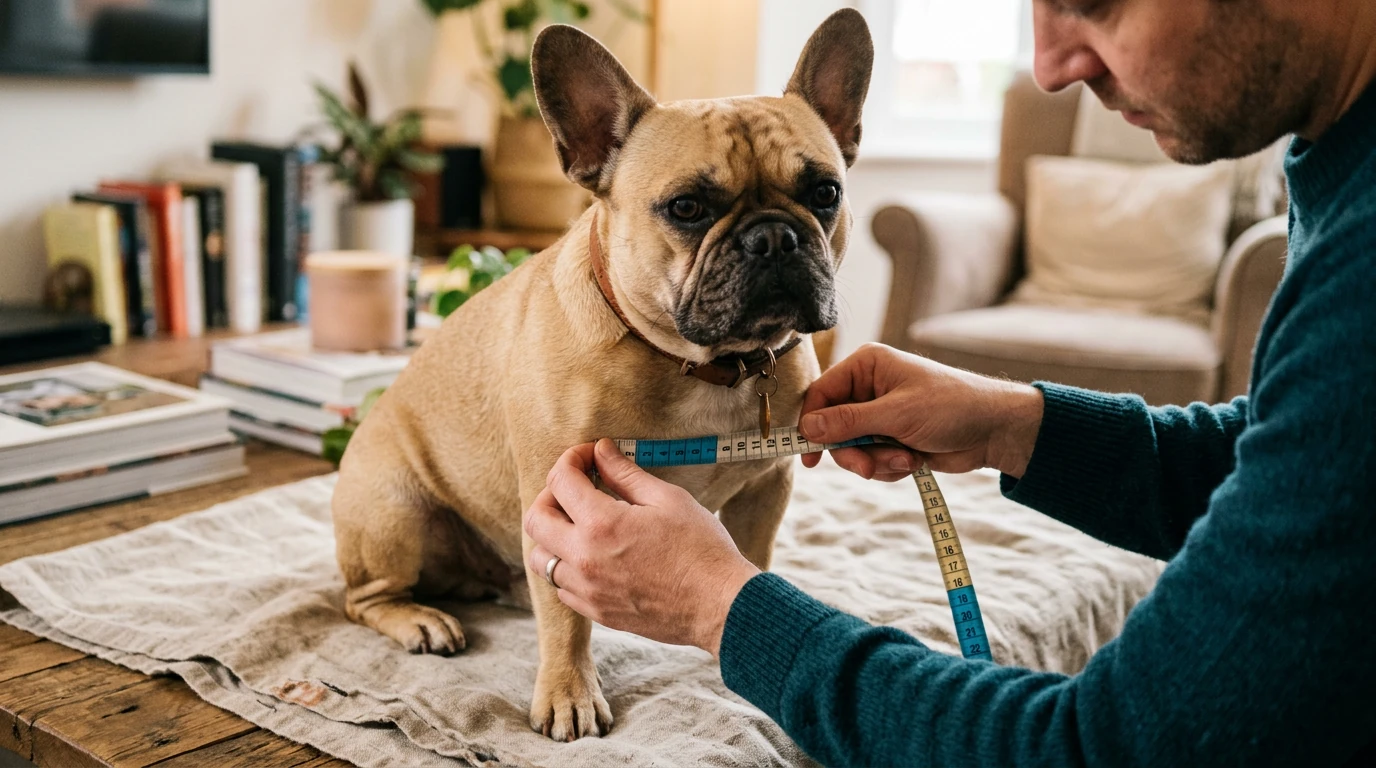
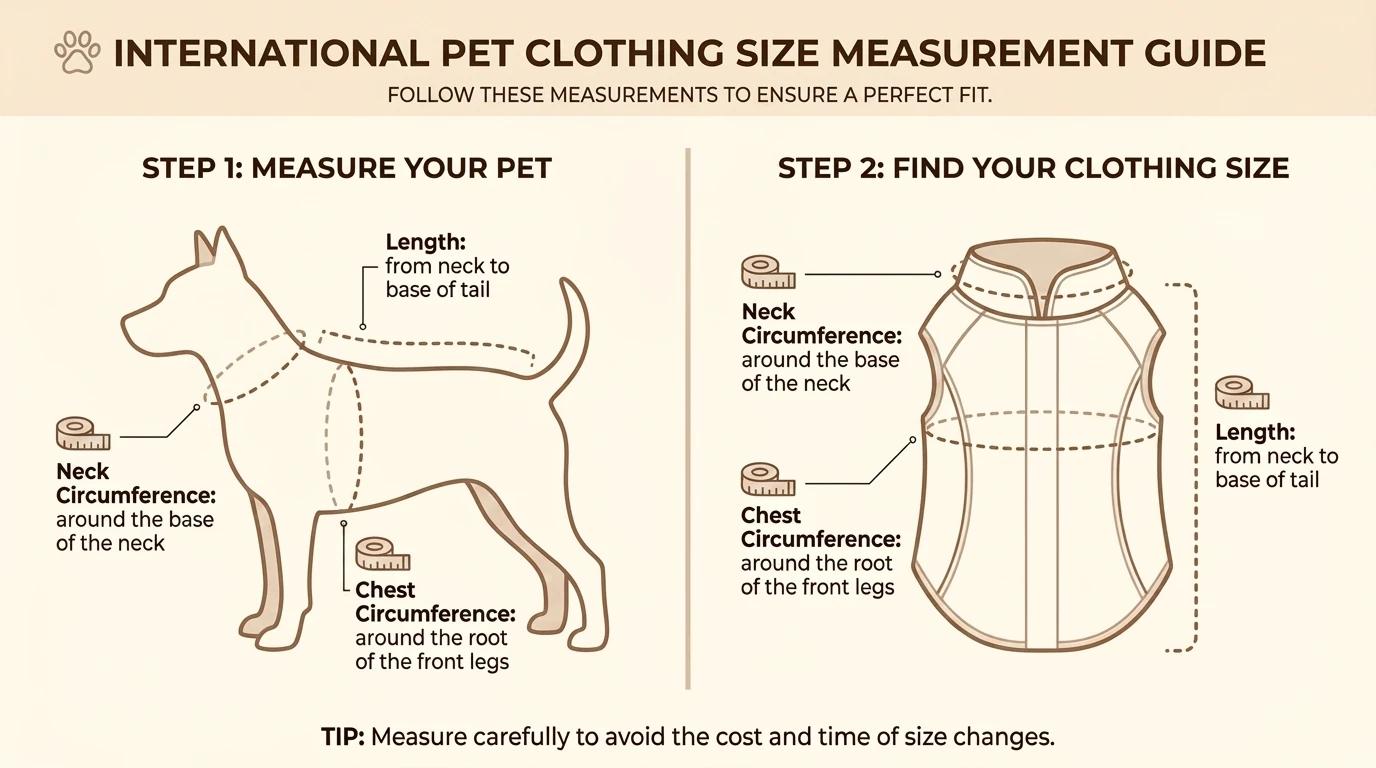
Before you begin browsing through colors and patterns, you need three precise measurements. Grab a soft, flexible tailor's tape measure and a handful of training treats to keep your bulldog standing still. Always measure while your dog is standing upright on all four legs, rather than sitting or lying down.
1. The Chest Girth (The Most Critical Measurement)
Locate the widest part of your bulldog's rib cage, which is typically directly behind their front legs. Wrap the tape measure around this area securely but not tightly. Apply the "two-finger rule": you should be able to comfortably slip two fingers flat underneath the tape measure. Write this number down. For bulldogs, this is the anchor measurement that dictates their size.
2. The Neck Girth
Measure the circumference of the thickest part of the neck, right where it meets the shoulders. Bulldogs have very muscular, sloping necks, so standard collar measurements are often too narrow. Ensure the sweater's collar has ample stretch or an open design so it does not restrict their airway.
3. The Back Length
Measure from the prominent bony base of the neck (the collar line) along the spine to the base of the tail (where the tail connects to the body). Many bulldogs have short, compact backs or naturally docked/corkscrew tails. You want a sweater that covers the main back muscles but stops a few inches short of the tail base to prevent any interference with their bathroom habits.
Bulldog Sizing Reference Table
While sizing varies across different apparel brands, the table below offers a realistic guideline for choosing sweaters for bulldogs based on their average breed dimensions:
| Breed Variation | Average Weight | Chest Girth | Neck Girth | Back Length |
|---|---|---|---|---|
| French Bulldog (Small/Medium) | 16–22 lbs | 18" – 21" | 12" – 14" | 11" – 13" |
| French Bulldog (Large) / Small English | 24–30 lbs | 20" – 24" | 14" – 17" | 12" – 14" |
| English Bulldog (Standard) | 40–50 lbs | 26" – 30" | 18" – 22" | 15" – 17" |
| English Bulldog (Large) / American | 55–70 lbs | 30" – 35" | 20" – 24" | 18" – 21" |
Essential Design Features of a Great Bulldog Sweater
When shopping for high-quality bulldog sweaters, look for design elements that accommodate their unique shape and physical sensitivities:
Elasticity and Stretch Panels
Look for sweaters knitted with ribbed patterns or blended with elastic fibers like spandex. A sweater with excellent horizontal stretch will expand smoothly over their broad shoulders and chest without losing its shape or sagging over time.
The High-Cut Belly
Bulldogs have a relatively low belly line. To prevent them from accidentally urinating on their sweater during walks, look specifically for designs that feature a high-cut, arched belly panel. This keeps the underside of the sweater dry and clean.
Flat, Soft Seams
Because bulldogs are highly prone to skin allergies, contact dermatitis, and fold irritation, the inside of the sweater must be as smooth as possible. Avoid garments with rough inner seams, exposed zippers, or harsh scratchy threads that can rub against their delicate underarm skin.
Easy-Wear Openings
Pullover sweaters are excellent if they have wide, stretchable necklines. However, if your bulldog dislikes having things slipped over their head, look for sweaters that feature durable velcro closures along the belly or secure snap buttons down the chest.
Choosing the Right Fabric for Sensitive Bulldog Skin
Not all fabrics are created equal, particularly when it comes to a bulldog's sensitive skin. Here is a breakdown of the best materials for sweaters for bulldogs:
- Premium Acrylic Yarn: Acrylic is lightweight, highly stretchable, and soft. It provides excellent insulation without being overly heavy, and it is highly resistant to shrinking or warping in the washing machine. It is a fantastic choice for everyday winter wear.
- Cotton Blends: For milder autumn days or indoor lounging, a cotton-blend sweater offers unmatched breathability. Cotton is exceptionally gentle on sensitive skin and helps absorb excess oils without trapping heat too aggressively.
- Fleece: While not a traditional knit, fleece sweaters or sweaters lined with micro-fleece are incredibly warm, soft, and quick to dry. They act as a wonderful barrier against damp, misty mornings.
- Natural Wool (With Caution): While pure wool offers incredible natural warmth, it can be quite itchy for short-coated bulldogs. If you choose a wool blend, ensure it is mixed with soft cotton or acrylic to prevent skin irritation.
Caring for Your Bulldog's Sweater
Bulldogs are notoriously messy companions. Between drool, food crumbs, and natural skin oils, their clothing will require frequent washing to keep it clean and odor-free.
- Wash Frequently: To prevent bacterial buildup that could cause infections in their skin folds, wash their sweaters every 1 to 2 weeks.
- Use Hypoallergenic Detergents: Always wash dog apparel using scent-free, hypoallergenic detergents. Harsh chemical fragrances can trigger intense itching and skin rashes.
- Air Dry When Possible: To maintain the shape, elasticity, and softness of the knit fibers, lay the sweaters flat to dry on a towel rather than running them through a high-heat dryer cycle.
Conclusion: Comfort Meets Character
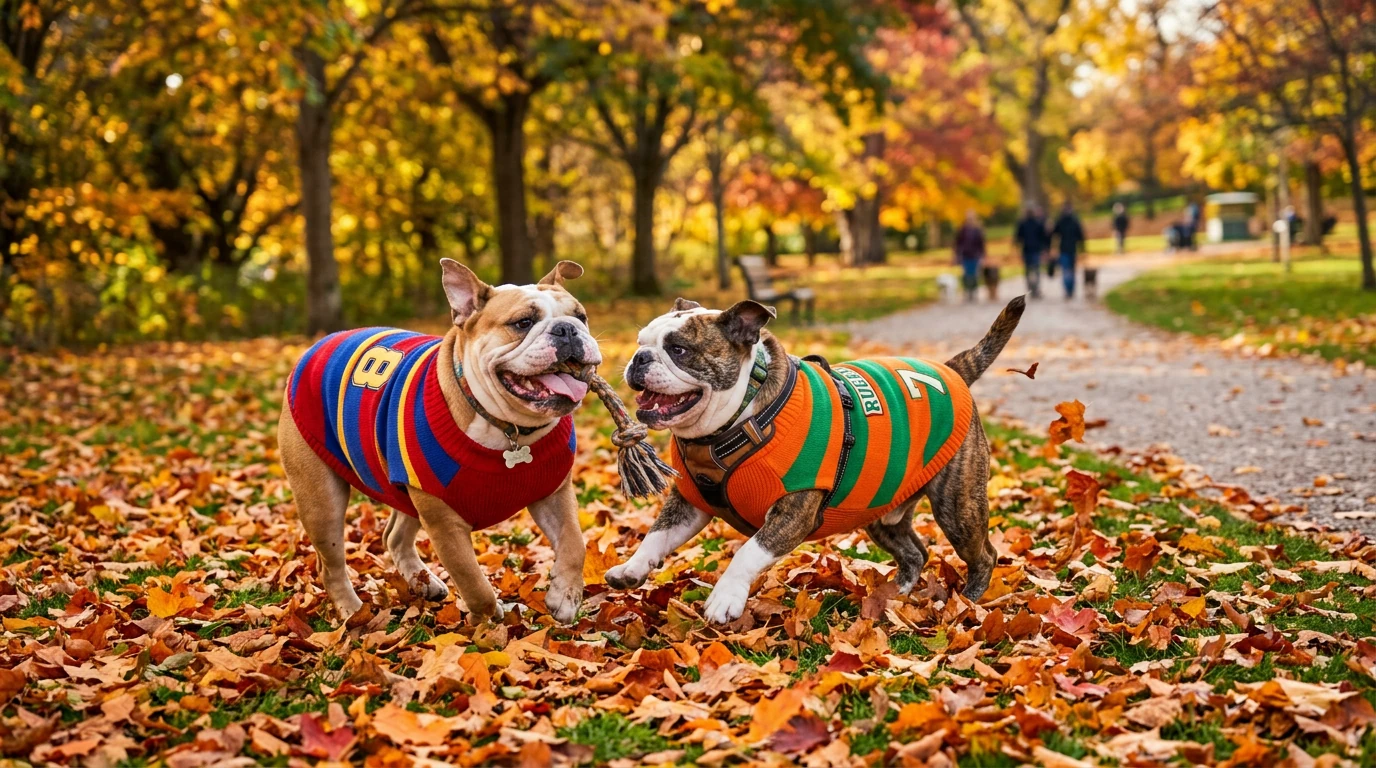
Finding the perfect bulldog sweater might require a little extra attention to detail, but seeing your happy, warm companion strolling comfortably through a crisp autumn day makes it all worthwhile. By focusing on wide-chested proportions, stretchable fabrics, and skin-friendly materials, you can protect your bulldog from the elements while letting their unique, lovable personality shine bright.