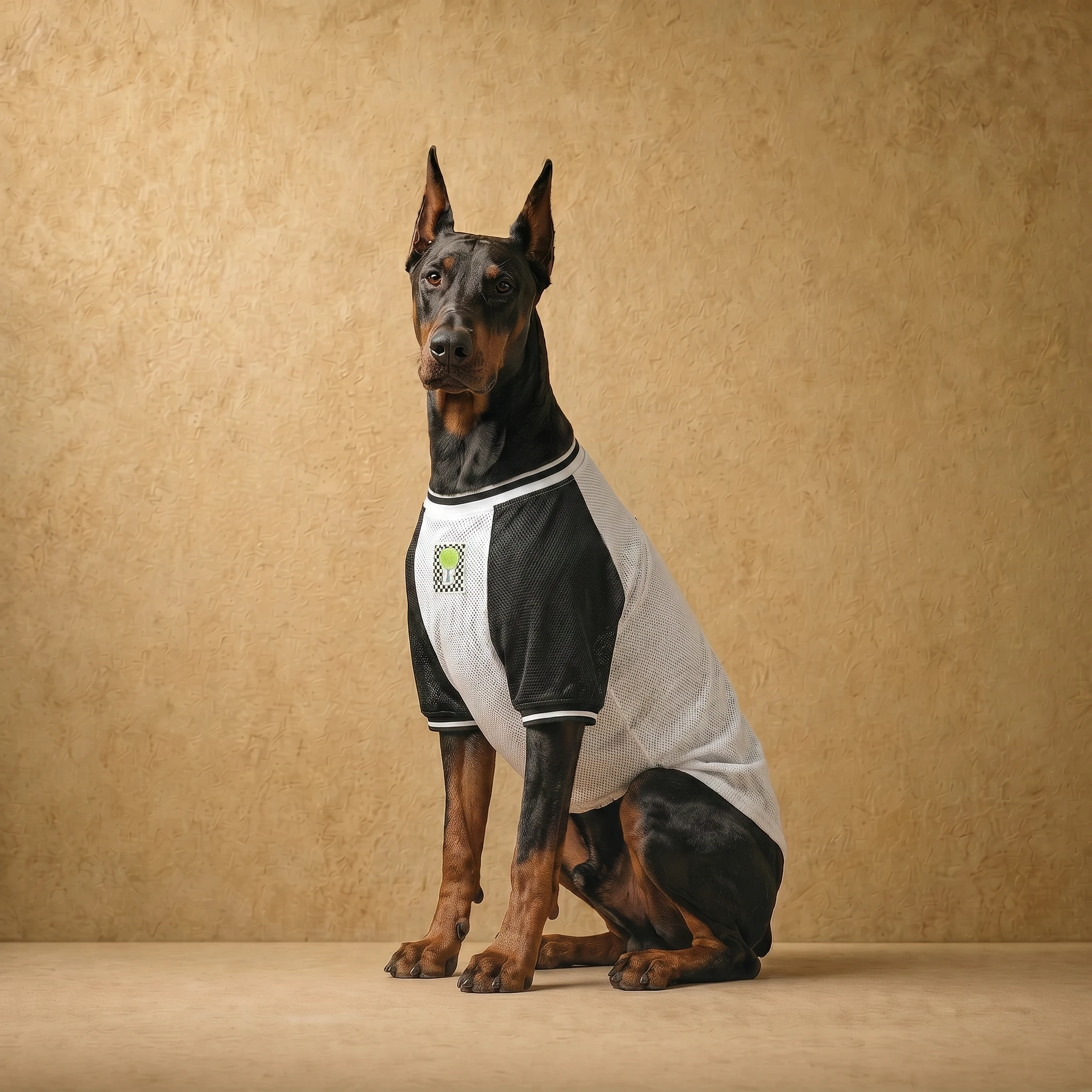
Highly athletic, famously loyal, and strikingly elegant, the Doberman Pinscher is a breed that commands attention. Whether you have recently welcomed a new puppy into your home or are preparing for one, tracking their growth is one of the most critical aspects of early pet parenting. Because of their rapid growth rate and predispositions to joint issues, understanding their developmental milestones ensures you can provide the right nutrition, exercise, and support at every stage of life.
To help you navigate this journey, we have compiled the ultimate guide, complete with a comprehensive doberman size chart, height and weight progressions, and developmental milestones. We will also address common questions like when do dobermans stop growing and how to identify if you have an overweight doberman pinscher.

This narrower guide makes more sense alongside the broader Doberman Pinscher Temperament, Care, and Ownership Guide, which frames how this topic fits into the bigger ownership picture.
The Complete Doberman Pinscher Growth Chart
Doberman Pinschers are a medium-to-large breed characterized by a compact, muscular build. However, male and female Dobermans experience noticeably different growth rates and adult sizes. Males are typically taller and heavier, possessing a sturdier bone structure, whereas females present a sleeker, more elegant silhouette.
The following doberman pinscher growth chart outlines what to expect in terms of average weight and height ranges from puppyhood to full maturity.
Doberman Pinscher Size Chart by Age
| Age | Male Weight Range | Male Height Range | Female Weight Range | Female Height Range |
|---|---|---|---|---|
| 1 Month | 5 – 9 lbs | 6 – 9 inches | 4 – 8 lbs | 5 – 8 inches |
| 2 Months | 15 – 22 lbs | 11 – 13 inches | 12 – 18 lbs | 10 – 12 inches |
| 3 Months | 25 – 33 lbs | 14 – 16 inches | 20 – 28 lbs | 13 – 15 inches |
| 4 Months | 35 – 45 lbs | 17 – 20 inches | 30 – 40 lbs | 16 – 18 inches |
| 6 Months | 50 – 62 lbs | 21 – 24 inches | 43 – 52 lbs | 19 – 22 inches |
| 9 Months | 65 – 78 lbs | 24 – 26 inches | 55 – 68 lbs | 22 – 24 inches |
| 12 Months | 75 – 88 lbs | 26 – 28 inches | 60 – 74 lbs | 24 – 26 inches |
| 18 Months | 80 – 95 lbs | 26 – 28 inches | 62 – 78 lbs | 24 – 26 inches |
| 24 Months (Adult) | 75 – 100 lbs | 26 – 28 inches | 60 – 90 lbs | 24 – 26 inches |
Note: The numbers in this doberman pinscher weight chart are general averages. Your puppy's growth may vary slightly based on genetics, diet, overall health, and whether they are of American or European lineage.
Doberman Puppy Development: A Month-by-Month Breakdown
To better understand your dog's journey, let’s look closer at the physical changes they undergo during each major developmental phase. Referencing a doberman height chart by age can help you determine if your puppy is hitting their landmarks on time.
The First 3 Months: Early Development
During the first month, Dobermans are entirely dependent on their mother. However, once they transition to solid food at around 4 to 6 weeks, their growth accelerates rapidly. By the time they reach 8 weeks, a male Doberman puppy can weigh up to 22 pounds. At this stage, their bones are growing fast, and their playful, clumsy energy begins to emerge.
4 to 6 Months: The Awkward Growth Spurt
Between 4 and 6 months of age, you will notice your puppy shooting up in height. This is often referred to as the "leggy" phase. They may look a bit disproportionate as their limbs grow faster than their torso. By 6 months, most Dobermans will have reached approximately 60% of their adult weight and nearly 80% of their adult height. Keeping them on a balanced large-breed puppy formula during this window is vital to protect their developing joints.

7 to 12 Months: Approaching Adult Height
During this phase, your puppy's rapid height increases will start to slow down. While they will reach close to their full standing height by their first birthday, they will still look lean and relatively thin. They have not yet developed their signature muscular chest and broad shoulders.
13 to 24 Months: Filling Out and Maturing
While a 12-month-old Doberman may look like an adult to the untrained eye, they are still physically immature. Over the next year, their growth shifts from vertical to horizontal. They will begin to pack on lean muscle mass, their chests will deepen, and their heads will broaden.
When Do Dobermans Stop Growing?
One of the most common questions new owners ask is: what age do dobermans stop growing?
The answer depends on whether you are looking at height or muscle mass.
In terms of skeletal height, most Dobermans will reach their maximum height by 12 months of age. However, they will continue to gain muscle, broaden their chest, and add weight for another year. Generally, what age does a doberman stop growing entirely is between 18 to 24 months for females, and up to 24 to 30 months for larger males.
Factors That Influence Growth and Ultimate Size
Several elements contribute to where your puppy lands on the doberman height chart and weight spectrum:
- Genetics: Parents pass down their skeletal frame sizes. If both parent dogs were on the larger end of the breed standard, your puppy is likely to follow suit.
- Sex: As shown in our doberman size chart, males are consistently larger and heavier than females.
- Spaying and Neutering: Pediatric spaying or neutering (performing the procedure before the growth plates close, typically under 12 months) can delay the signals that tell bones to stop growing. This often results in a slightly taller, leggy dog with lighter bone structure.
- Nutrition: High-quality puppy food designed for large breeds helps control the rate of growth. Fast growth is not healthy growth; it can put excess strain on undeveloped joints.
To ensure your companion grows into a well-mannered and physically balanced adult, proper care goes hand-in-hand with tracking their size. For a deeper dive into managing their high energy levels, socialization needs, and grooming requirements, consult our comprehensive Doberman Pinscher Temperament Care and Ownership Guide.
American vs. European Doberman Size Differences
When researching a doberman pinscher size chart, you must distinguish between the American Doberman and the European Doberman. While they belong to the same breed family, selective breeding standards in the United States and Europe have resulted in distinct physical differences.
- American Dobermans: Bred primarily as elegant show dogs and loyal family companions. They are slightly smaller, sleeker, and have a more refined bone structure. They are highly agile and possess a sloping topline.
- European Dobermans: Bred with a focus on working capability, guarding, and strength. The european doberman weight is typically heavier, with males often reaching 95 to 105 pounds or more. They have a broader chest, thicker bones, a more blocky head, and a slightly more level topline.
If your puppy is of European descent, expect their weight measurements to trend toward the absolute maximum limits—or slightly exceed—the standard doberman weight chart guidelines.
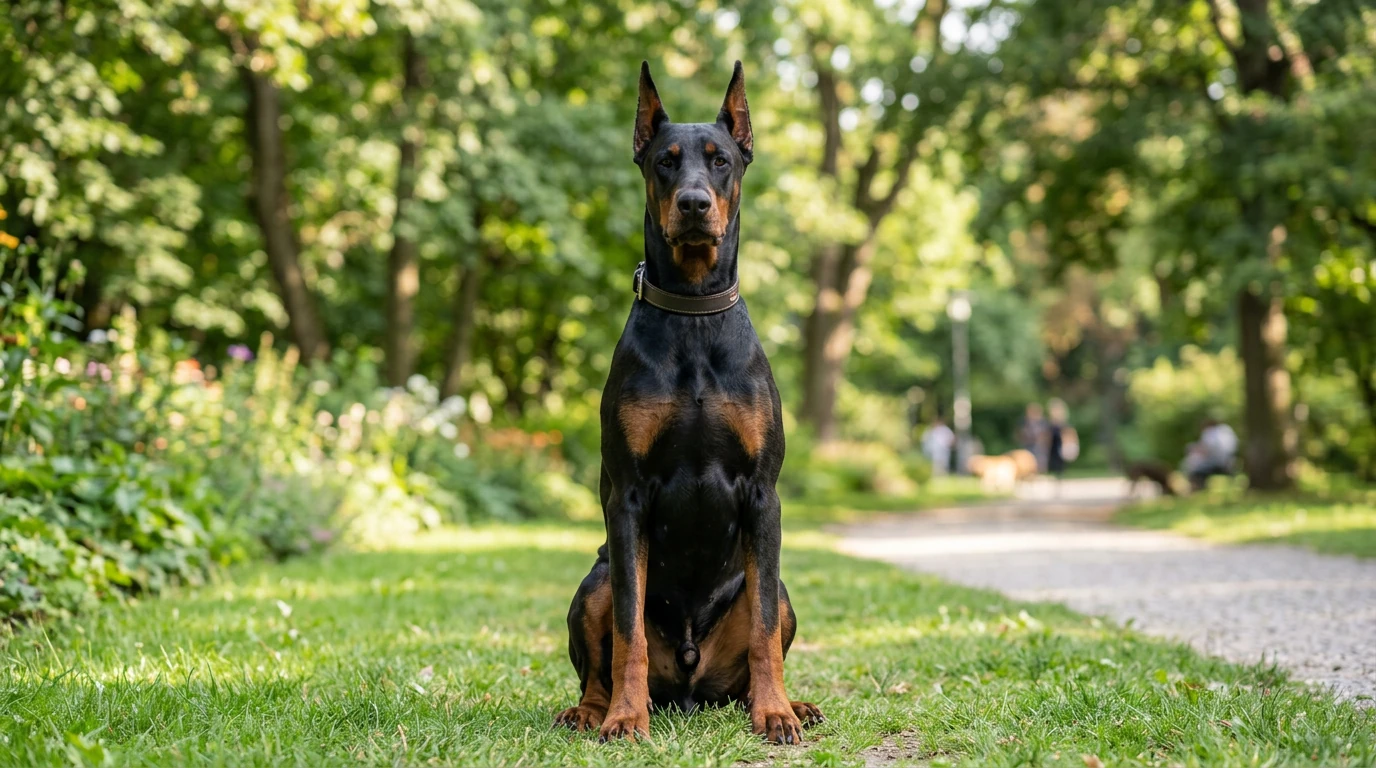
Maintaining a Healthy Weight: Is Your Doberman Overweight?
Because of their sleek, short coats and deep chests, Dobermans are prone to showing physical changes quickly. An overweight doberman pinscher is at a much higher risk for health complications, including canine hip dysplasia, cruciate ligament tears, heart conditions (such as Dilated Cardiomyopathy, which is highly prevalent in the breed), and osteoarthritis.
How to Evaluate Your Doberman’s Body Condition
Rather than relying solely on the doberman pinscher weight chart, you should perform a hands-on physical evaluation using the Body Condition Score (BCS) method:
- The Rib Test: You should be able to easily feel your Doberman's ribs under a thin layer of fat without having to press hard. If you cannot feel their ribs at all, they are likely overweight. Conversely, if their ribs are prominently visible from a distance, they may be underweight.
- The Overhead Profile: Stand directly above your dog and look down at their back. You should see a clear, defined curve inward behind their ribcage, creating an hourglass shape. A straight or bulging line indicates excess weight.
- The Side Profile: Look at your dog from the side. Their abdomen should tuck up cleanly from the bottom of the ribcage toward their hindquarters. A saggy or flat belly is a sign of weight gain.
Tips for Managing an Overweight Doberman
If your companion is starting to look a bit too round, you can help them return to their ideal shape with a few simple adjustments:
- Measure their food: Avoid free-feeding. Use a standard measuring cup or kitchen scale to portion out their daily meals based on their target weight, not their current weight.
- Limit high-calorie treats: Training treats can quickly add up. Use low-calorie alternatives like green beans or carrots, or deduct their training treats from their daily kibble allowance.
- Provide supportive joint care: If your Doberman is carrying extra weight, their joints are under increased stress. Ensure they rest on supportive surfaces. High-quality orthopedic beds, like those offered by NookPaws, help distribute their weight evenly, relieving pressure on their hips and elbows during rest.
- Consistent, low-impact exercise: Avoid sudden, intense running sessions if your dog is out of shape. Start with brisk, controlled leash walks and slowly build up their stamina.
Frequently Asked Questions (FAQ)
What age does a Doberman stop growing in height?
Most Dobermans reach their full adult height by the time they are 12 months old. However, they may continue to grow a fraction of an inch up until 18 months, especially males.
Why is my 8-month-old Doberman so skinny?
At 8 months, Dobermans are in their adolescent phase. They have reached most of their height but have not yet developed adult muscle mass. As long as they are active, eating well, and cleared of parasites by a veterinarian, this slim appearance is entirely normal. They will start filling out between 12 and 24 months.
How heavy should a 6-month-old Doberman be?
On average, a 6-month-old male Doberman should weigh between 50 and 62 pounds, while a female should weigh between 43 and 52 pounds.
Does neutering or spaying affect a Doberman's growth?
Yes. Neutering or spaying your Doberman before their growth plates fuse (usually before 12 to 18 months) removes estrogen or testosterone, which are the hormones responsible for signaling the growth plates to close. Consequently, early-neutered dogs may grow slightly taller and leggy, with less muscle definition and lighter bone structure.
Supporting Your Doberman’s Lifelong Health
Monitoring your companion's physical milestones through a detailed doberman size chart is an excellent step toward ensuring a long, healthy, and active life. By matching their rapid growth phases with high-quality nutrition, controlled exercise to protect their developing growth plates, and plenty of mental stimulation, you will set them up for success.
As your Doberman grows from a clumsy puppy into a powerful, athletic adult, their need for proper rest becomes paramount. Supporting their heavy frame with an ergonomic, orthopedic bed can make a world of difference in protecting their joints from early wear and tear. Keep a close eye on their developmental landmarks, consult your veterinarian regularly, and enjoy every step of watching your majestic Doberman reach their full potential.