Cable Knit Dog Sweater: How to Choose the Right Fit and Style
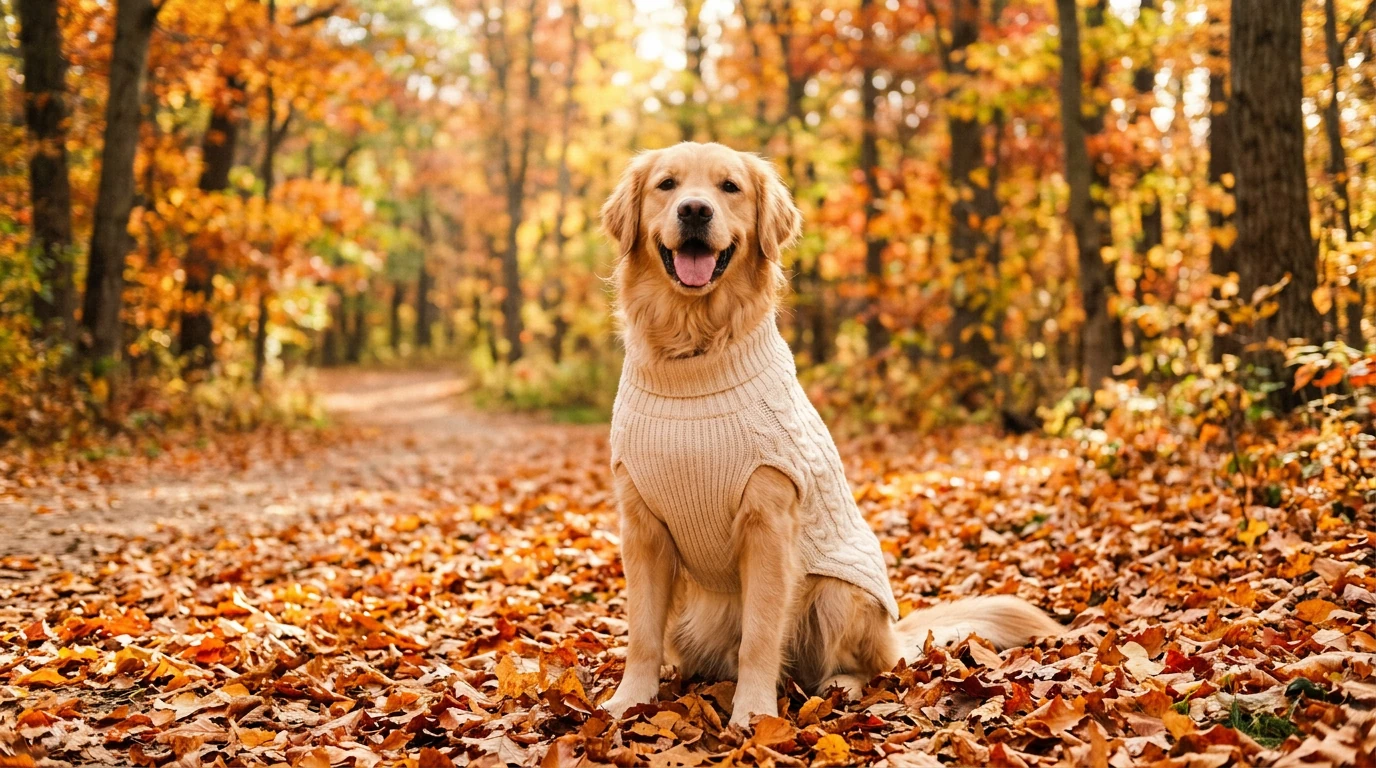
When the autumn air turns crisp and winter frost begins to settle on the grass, our thoughts naturally turn to warm layers. We pull out our favorite chunky cardigans, woolen scarves, and heavy coats. But our canine companions feel the chill too. While some breeds are built for arctic conditions, many dogs need an extra layer of defense against freezing temperatures.
Enter the classic cable knit dog sweater. Far more than a passing fashion trend, a high-quality cable knit sweater dog garment offers a brilliant combination of timeless style, physical comfort, and outstanding insulation. Originally designed for fishermen braving the damp, biting winds of the Irish coast, the traditional cable knit pattern is uniquely suited for active pets.
Choosing the right dog jumper cable knit design involves more than just picking a pretty color. To keep your dog warm, safe, and comfortable, you need to understand how the knit behaves, how to measure your dog’s unique proportions, and how to select materials that won't irritate their skin. In this comprehensive guide, we will walk you through everything you need to know to find the ultimate cable knit layer for your pup.
This narrower guide makes more sense alongside the broader Dog Sweaters, Hoodies, and Everyday Cold-Weather Layers, which frames how this topic fits into the bigger ownership picture.
The Anatomy of the Cable Knit: Why It Works So Well for Dogs
To appreciate why a cable knit dog sweater is such a staple of canine winter wardrobes, it helps to look at the structure of the knit itself. The defining feature of cable knitting is the braided, rope-like pattern that runs vertically down the fabric. This is achieved by crossing groups of stitches over one another as they are knitted.
This structural complexity provides three major functional benefits for your dog:
- Superior Insulation (Thermal Efficiency): The raised, overlapping braids of a cable knit create miniature air pockets throughout the fabric. These pockets trap your dog’s natural body heat, creating a warm buffer against the cold outer air.
- Natural Mechanical Stretch: Unlike flat-knit fabrics that can feel rigid, cable knit structures possess a high degree of natural elasticity. The overlapping stitches can expand and contract dynamically. This allows the sweater to move with your dog as they run, play, and stretch, without losing its original shape.
- Durability and Thickness: The crossing of stitches creates a double-layered thickness in the cabled areas. This extra density makes the sweater highly resistant to wear and tear, shielding your dog's skin from brambles and brush during winter walks.
For pet parents who want to combine heritage styling with practical outdoor protection, investing in well-made cable knit dog sweaters is an easy, highly effective solution.
How to Measure Your Dog for a Cable Knit Jumper
Because cable knit fabrics have a natural horizontal stretch, getting the size right requires precise measurements. A sweater that is too loose will sag, catch on twigs, or get soiled when your dog relieves themselves. A sweater that is too tight will pinch, restrict natural shoulder movement, and potentially cause painful hot spots from friction.
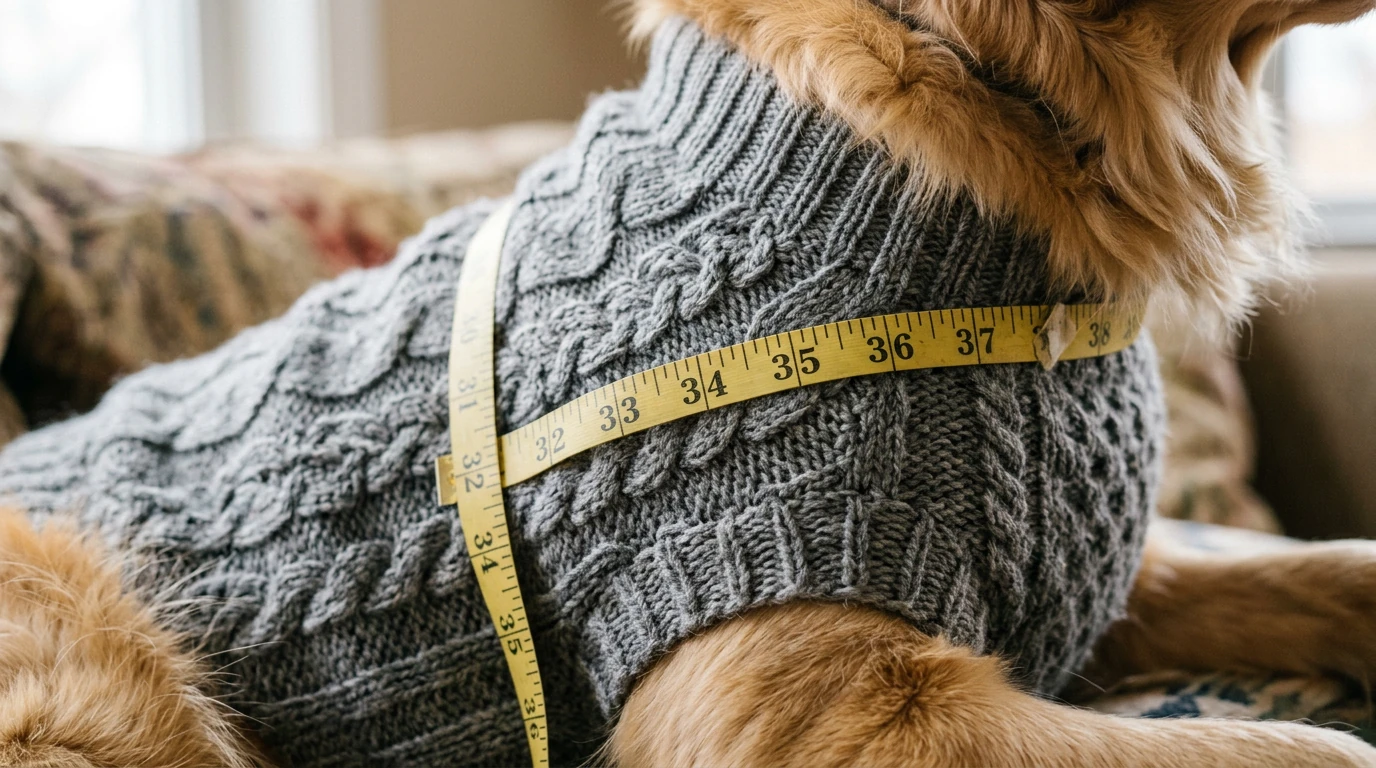
Before you purchase a dog jumper cable knit, grab a soft tailor's measuring tape and record three essential measurements while your dog is standing upright on a flat surface.
1. The Girth (Chest Circumference)
This is the most critical measurement for comfort and safety. Wrap the tape around the widest part of your dog’s ribcage, which is typically located right behind their front legs. Make sure the tape is snug but not constricting. You should be able to slide two fingers comfortably under the tape.
2. The Back Length
Measure along the spine from the base of the neck (where their collar naturally sits) to the base of the tail (where the tail meets the lower back). Cable knit sweaters naturally tend to pull upward slightly when the dog walks, so if your dog falls between sizes, it is generally best to size up for extra back coverage.
3. The Neck Circumference
Measure the circumference of the lower neck where a sweater collar would sit. Since many cable knit sweaters feature a ribbed turtleneck or mock neck, ensuring there is enough breathing room here is vital for your dog's comfort.
General Sizing Reference Table
While every manufacturer has unique sizing curves, this table provides a helpful starting point for choosing the right size based on your dog's build:
| Size | Chest Girth (in) | Back Length (in) | Typical Breed Examples |
|---|---|---|---|
| XS | 11" - 14" | 8" - 10" | Toy Poodle, Chihuahua, Yorkshire Terrier |
| S | 15" - 18" | 10" - 12" | Jack Russell Terrier, Pug, Cavalier King Charles |
| M | 19" - 22" | 13" - 16" | French Bulldog, Boston Terrier, Cocker Spaniel |
| L | 23" - 27" | 17" - 20" | Border Collie, Standard Schnauzer, Beagle |
| XL | 28" - 32" | 21" - 24" | Golden Retriever, Boxer, German Shepherd |
Choosing the Right Style for Your Dog's Breed and Shape
Not all dogs are built the same way. A barrel-chested French Bulldog has vastly different wardrobe requirements than a slender Greyhound or an athletic, deep-chested guardian breed.
Deep-Chested and Short-Coated Breeds
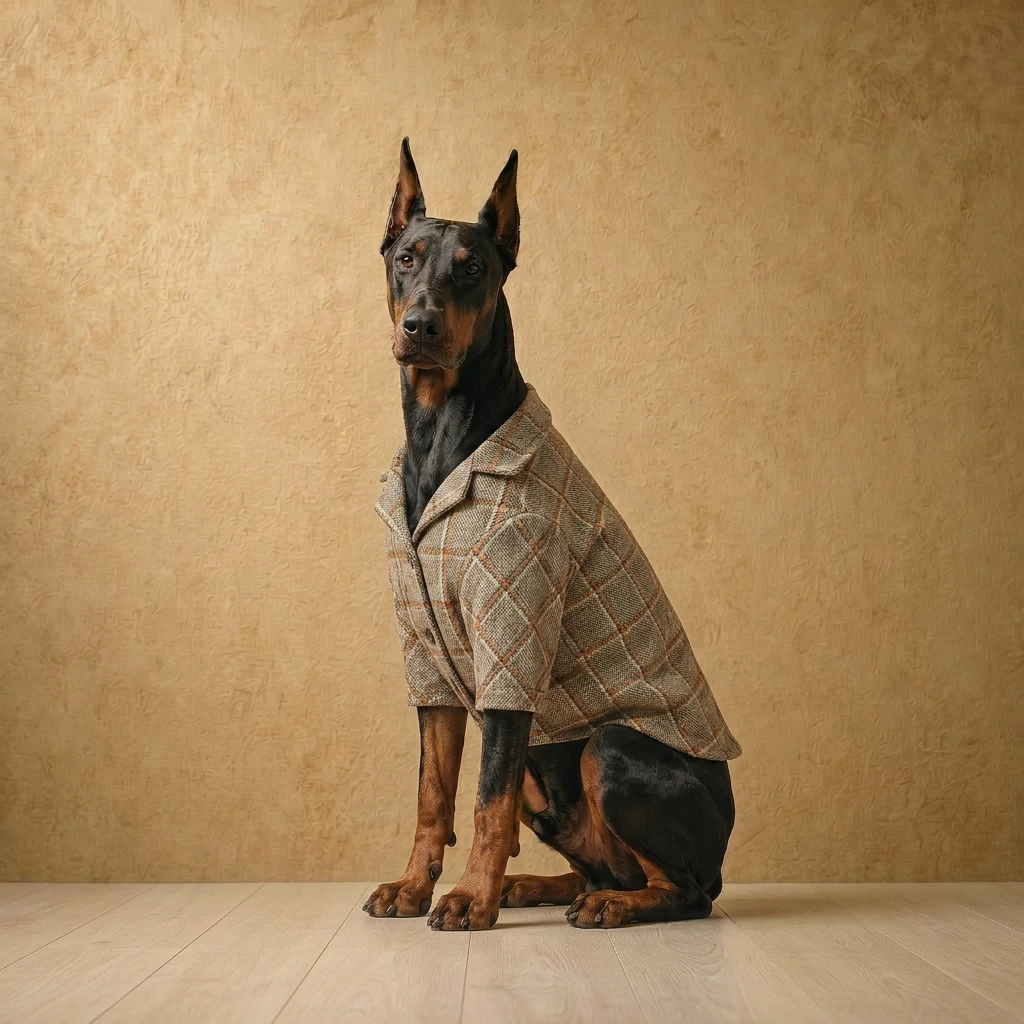
Dogs with deep chests, narrow waists, and very short single coats are particularly vulnerable to the cold. They lack the natural undercoat insulation that fluffier breeds possess. For instance, if you are familiar with the elegant silhouette of a Doberman Pinscher, you know they have virtually no body fat and a very thin coat. If you want to learn more about their unique care needs, our Doberman Pinscher Temperament Care and Ownership Guide outlines why protecting these powerful yet cold-sensitive dogs from harsh winter elements is so important. For deep-chested dogs like these, look for a cable knit dog sweater that features a highly elasticized chest panel or adjustable under-belly straps to ensure a snug, gap-free fit.
Broad-Shouldered Breeds
If you have a Bulldog, Pug, or Pit Bull, standard sweaters can bunch up around the shoulders, restricting their gait. For these breeds, look for raglan-style sleeves or sleeveless designs. A sleeveless cable knit vest provides warmth to the core organs while leaving the front legs completely free to move naturally.
The Importance of the Belly Cutout
Always pay close attention to the cut of the sweater underneath your dog's belly. A well-designed cable knit sweater dog garment should feature a high-cut belly panel. This is especially crucial for male dogs to prevent the sweater from getting wet during urination. The knit should taper off cleanly before reaching the hindquarters.
Material Matters: Selecting the Perfect Yarn
The yarn used to knit your dog's jumper directly impacts its warmth, softness, durability, and ease of cleaning. Let's look at the pros and cons of the three most common materials used in canine knitwear.
1. Pure Wool
- Pros: Exceptional warmth, naturally water-resistant, biodegradable, and highly breathable.
- Cons: Can be itchy for dogs with sensitive skin; requires strict hand-washing to prevent shrinking.
- Best For: Dogs who spend long periods outdoors in dry, sub-zero conditions and do not have sensitive skin issues.
2. High-Quality Acrylic
- Pros: Incredibly soft, hypoallergenic, resistant to moths, and highly machine-washable. It mimics the look and feel of wool without the itch.
- Cons: Does not breathe quite as well as natural fibers; can pill over time if exposed to heavy friction.
- Best For: Daily wear, dogs with sensitive skin, and pet parents who prioritize easy, low-maintenance cleaning.
3. Wool-Synthetic Blends
- Pros: The gold standard of pet knitwear. Blends combine the thermal insulation and breathability of real wool with the durability, softness, and machine-washable nature of acrylic or nylon.
- Cons: Can be slightly more expensive than pure acrylic.
- Best For: All-around versatility, active dogs, and long-term durability.
Regardless of the fiber you choose, always feel the inside of the sweater before putting it on your dog. Ensure there are no loose threads, scratchy seams, or rough labels that could rub against their delicate underbelly.
Caring for Your Cable Knit Dog Sweater
Because your dog's sweater will inevitably come into contact with mud, grass, rain, and drool, proper care is essential to extend its lifespan and keep it looking fresh season after season.
- Washing: Wash the sweater inside a mesh laundry bag on a gentle, cold-water cycle using a mild, pet-safe detergent. Avoid fabric softeners, as they can break down the elasticity of synthetic fibers over time.
- Drying: Never tumble dry a knit sweater unless the care label explicitly says it is safe. High heat will cause wool to shrink to a fraction of its size and will warp the shape of acrylic cables. Instead, lay the sweater flat on a dry towel, reshape the cables with your hands, and let it air dry completely.
- Managing Pilling: Friction from your dog's harness or running will eventually cause small balls of lint (pills) to form on the surface of the knit. Use a manual fabric comb or a battery-operated pill shaver to gently remove these, keeping the sweater looking brand new.
Final Thoughts: Combining Safety, Comfort, and Style
A beautifully crafted cable knit dog sweater is more than just a seasonal accessory. It is a functional piece of protective gear that allows your dog to enjoy outdoor adventures comfortably, even when the thermometer drops.
By taking precise measurements, selecting high-quality yarn blends, and prioritizing designs with high belly cuts and flexible shoulder openings, you can ensure your dog stays warm and moves freely. Introduce the sweater slowly with plenty of positive reinforcement, and soon your dog will associate their cozy cable knit with the excitement of crisp, refreshing winter walks.