How Much Exercise Does a Doberman Need? Energy, Routine, and Real-Life Balance
The Doberman Pinscher is a breed of striking elegance, undeniable power, and profound loyalty. Originally bred to be a personal protector, this working dog was built for endurance, speed, and sharp mental acuity. Today, while they are more commonly cherished as family companions than active guard dogs, their genetic wiring remains largely unchanged. They are athletes at heart.
Because of their impressive stature and alert nature, one of the most common questions prospective owners ask is, "are dobermans friendly?" The answer is a resounding yes—Dobermans are incredibly affectionate, often earning the nickname "Velcro dogs" for their desire to be physically close to their favorite humans. However, there is a crucial caveat to this friendly demeanor: a friendly, well-adjusted Doberman is almost always a well-exercised Doberman.
When their energy is effectively channeled, they are gentle, loving, and patient. When their needs are ignored, that pent-up energy can quickly transform into frustration, anxiety, and destructive behavior. Understanding doberman exercise needs is the single most important step in unlocking the wonderful, affectionate temperament the breed is famous for.
This narrower guide makes more sense alongside the broader Doberman Pinscher Temperament, Care, and Ownership Guide, which frames how this topic fits into the bigger ownership picture.
The Short Answer: How Much Exercise Do Dobermans Need?
If you are looking for a baseline, the answer to "how much exercise do dobermans need?" is generally 1.5 to 2 hours of rigorous activity every single day.
Unlike lower-energy breeds that are satisfied with a leisurely stroll around the block, an adult Doberman requires activities that elevate their heart rate and challenge their muscles. This two-hour daily minimum shouldn't just be a slow walk where they are casually sniffing fire hydrants; it needs to include structured, high-intensity exercise paired with active engagement from you.
It's important to understand that doberman pinscher exercise needs are not merely recommendations; they are requirements for a healthy canine life. Without adequate movement, Dobermans are prone to weight gain, muscle atrophy, and a host of behavioral issues. Their bodies were designed to run, patrol, and work alongside humans, and replicating that sense of "work" in a modern household is key to their well-being.
Age-Based Doberman Exercise Requirements
While the two-hour rule is a great benchmark for a healthy adult, a Doberman's exercise requirements shift dramatically as they move through different stages of life. Applying an adult exercise routine to a young puppy can cause permanent physical damage, while ignoring a senior's need for movement can accelerate joint stiffness.
The Puppy Stage (8 Weeks to 18 Months)
When you bring a Doberman puppy home, they will seem like a boundless ball of chaotic energy. However, their physical structure is incredibly fragile. The growth plates in a Doberman's joints do not fully close until they are around 18 months old. Forced exercise—such as jogging on pavement, repetitive jumping, or aggressive fetch—can cause permanent skeletal damage, leading to early-onset arthritis or dysplasia.
For puppies, follow the "5-Minute Rule." This means 5 minutes of structured exercise per month of age, twice a day. A four-month-old puppy, therefore, should have about 20 minutes of formal walking twice daily. The rest of their energy should be burned through free play on soft surfaces (like grass), gentle training sessions, and interactive toys.
The Prime Adult Stage (1.5 Years to 7 Years)
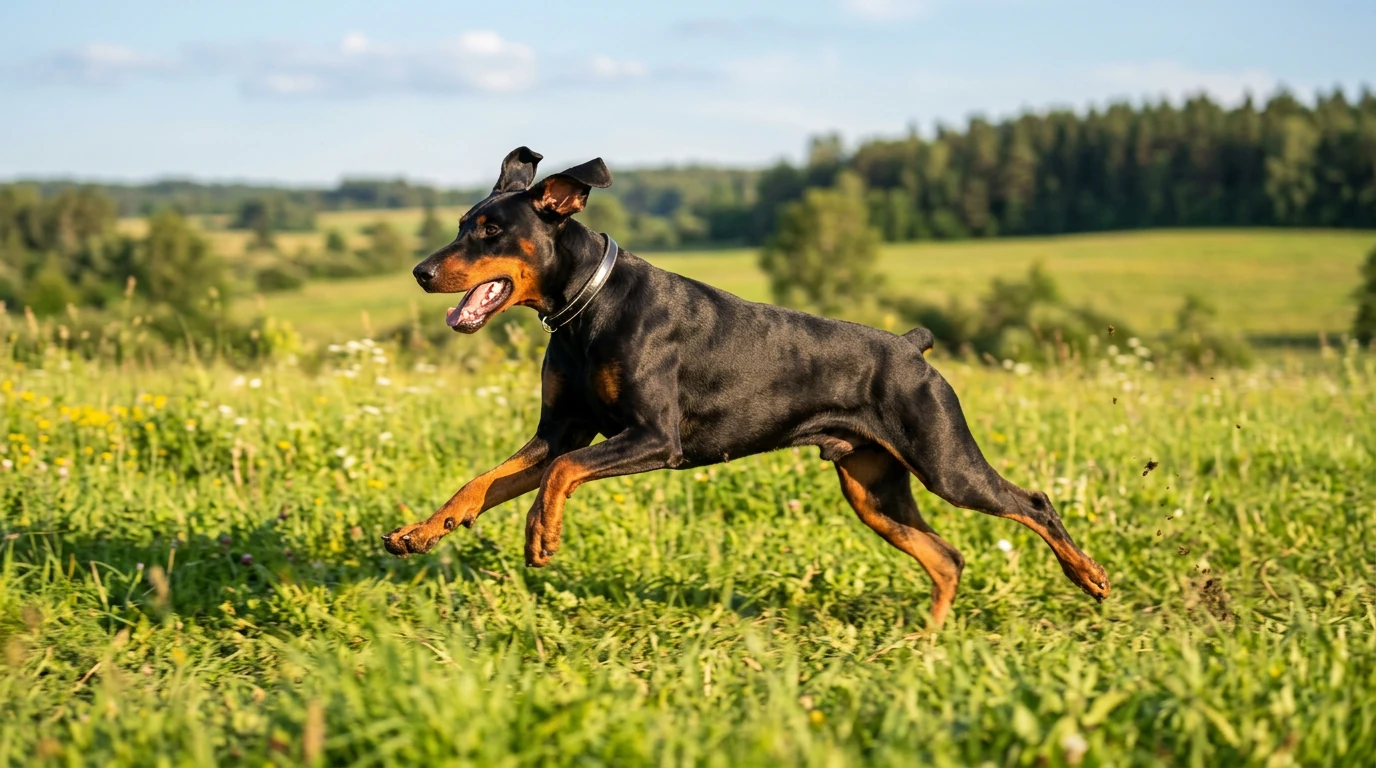
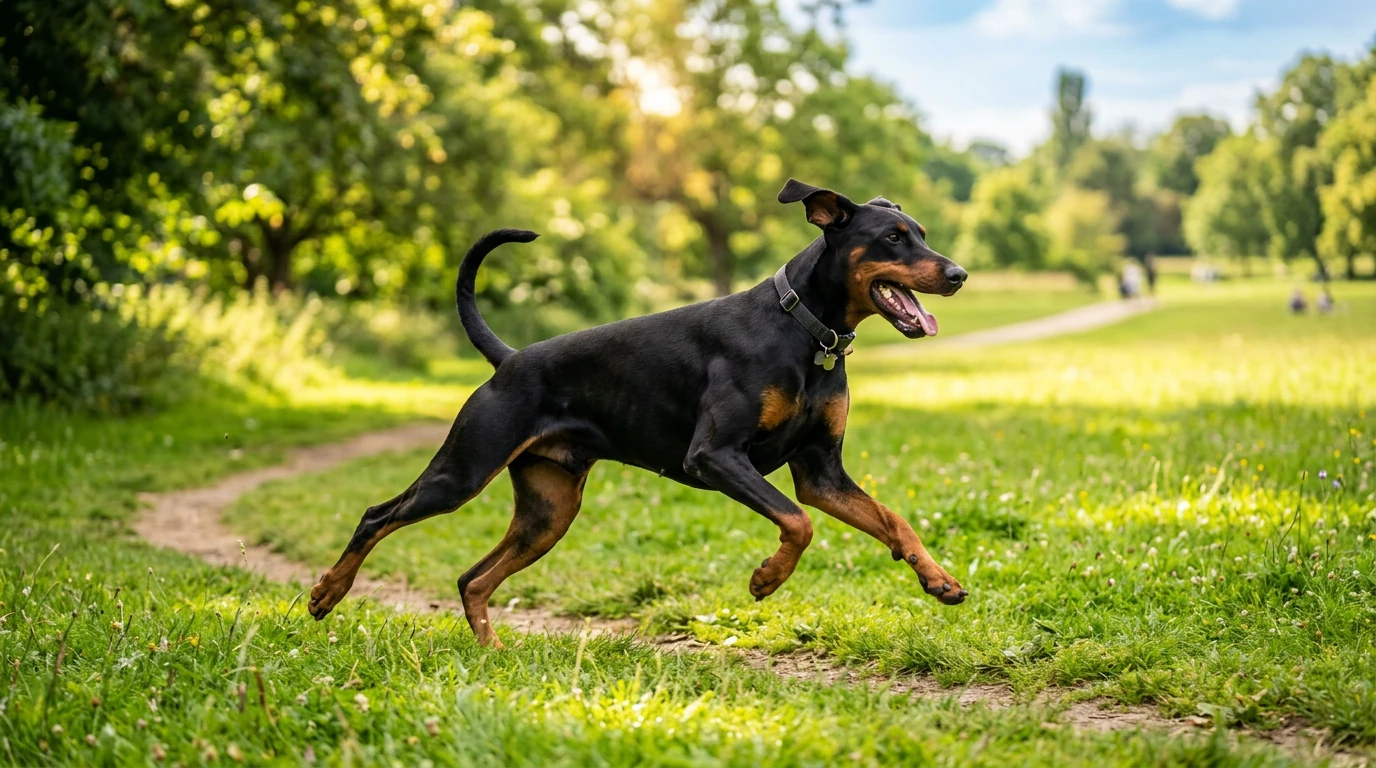
This is when your Doberman's physical capabilities are at their peak. How much exercise does a doberman need during these prime years? This is where the 90 to 120 minutes of daily activity becomes mandatory. You can finally introduce them to running, cycling, hiking, and advanced agility. Their stamina is exceptional, and they will likely outlast you on a long trail.
The Senior Stage (7+ Years)
As Dobermans age, their energy levels will naturally taper off, and you may notice stiffness in their hips or knees. However, you shouldn't stop exercising them. Consistent, low-impact exercise keeps their joints lubricated and prevents obesity, which is critical for senior dogs. Swap out the high-speed runs for longer, moderate-paced walks, swimming, and gentle stretching. Listen to your dog—if they are lagging behind or panting heavily, it's time to shorten the route.
The Overlooked Element: Mental Exercise
Many owners make the mistake of trying to physically exhaust their Doberman, only to find that the dog builds up the stamina of an ultra-marathoner and becomes impossible to tire out. The secret to fulfilling doberman exercise requirements isn't just physical exhaustion—it's mental fatigue.
Dobermans are ranked among the top five most intelligent dog breeds in the world. They were bred to assess situations, follow complex commands, and work in tandem with human handlers. If you only provide physical exercise, you are only working half of the dog.
Integrating mental stimulation into your daily routine is incredibly efficient. Fifteen minutes of intense brain work can tire a Doberman out as much as a three-mile run. Consider adding these mental workouts to your regimen:
- Scent Work and Sniffaris: Allow your dog to lead the way on a "sniffari" where the goal is smelling the environment rather than covering distance. You can also hide treats around the house and teach them to "find it."
- Advanced Obedience: Moving beyond basic sit and stay. Teaching your dog complex behaviors requires immense focus. If you want a structured way to start, our article on Doberman Training Basics: How to Build Focus, Manners, and Confidence offers excellent strategies for engaging their minds.
- Puzzle Toys: Swap out the traditional food bowl for snuffle mats, frozen Kongs, or interactive puzzle feeders. Making them work for their meals naturally burns mental energy.
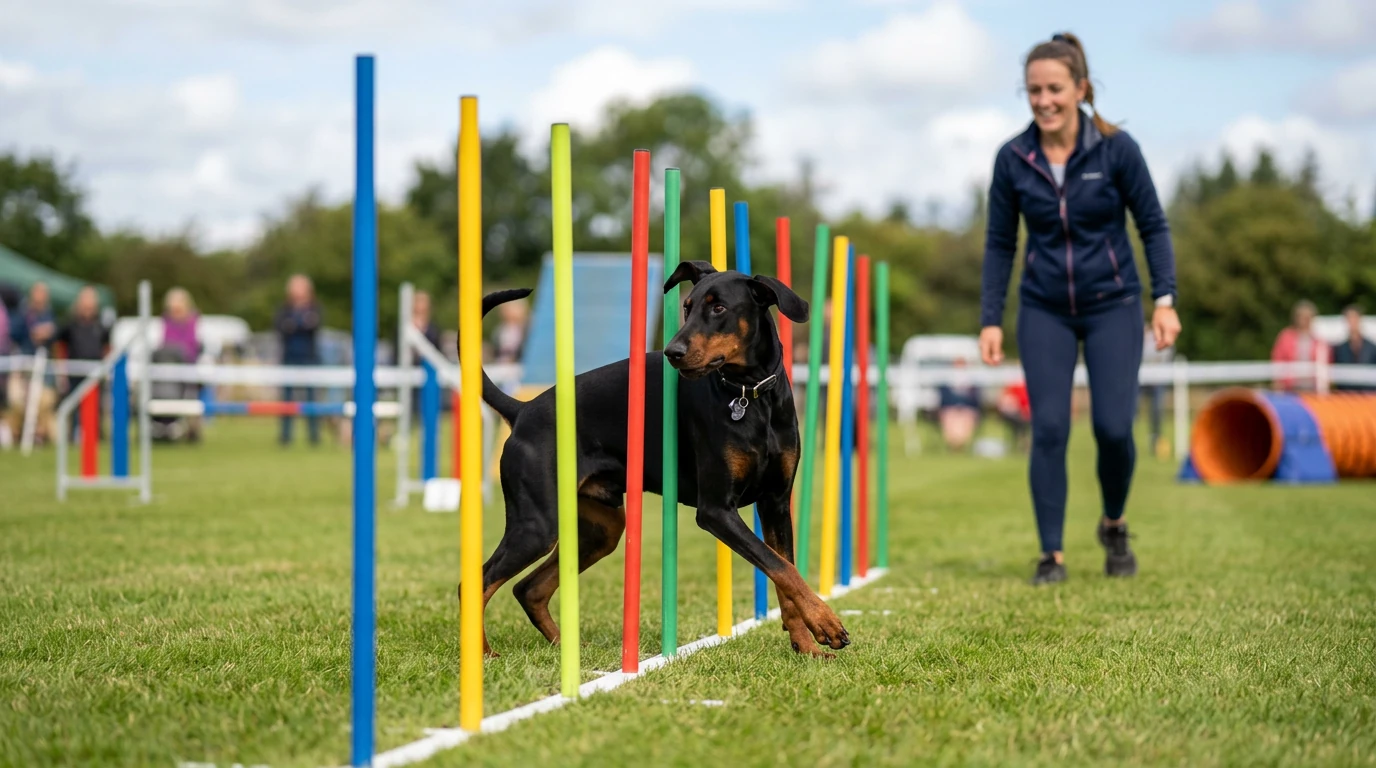
- Agility Training: Even casual backyard agility (navigating around cones, jumping over low bars, weaving) requires a dog to think about their body placement and follow rapid commands.
The "Friendly Doberman" Connection
Let's return to our anchoring question: are dobermans friendly? A Doberman's natural disposition is one of deep affection and loyalty to their family. They are famously goofy, cuddly, and deeply attuned to the emotions of their owners.
However, a Doberman whose exercise needs are chronically unmet will not seem friendly; they will seem neurotic. Excess energy in a highly intelligent working breed manifests as anxiety, reactivity, excessive barking, pacing, and destructive chewing. An under-exercised Doberman might jump aggressively on guests, pull relentlessly on the leash, or destroy furniture when left alone. These aren't signs of an inherently "bad" or "unfriendly" dog; they are distress signals from an under-stimulated athlete.
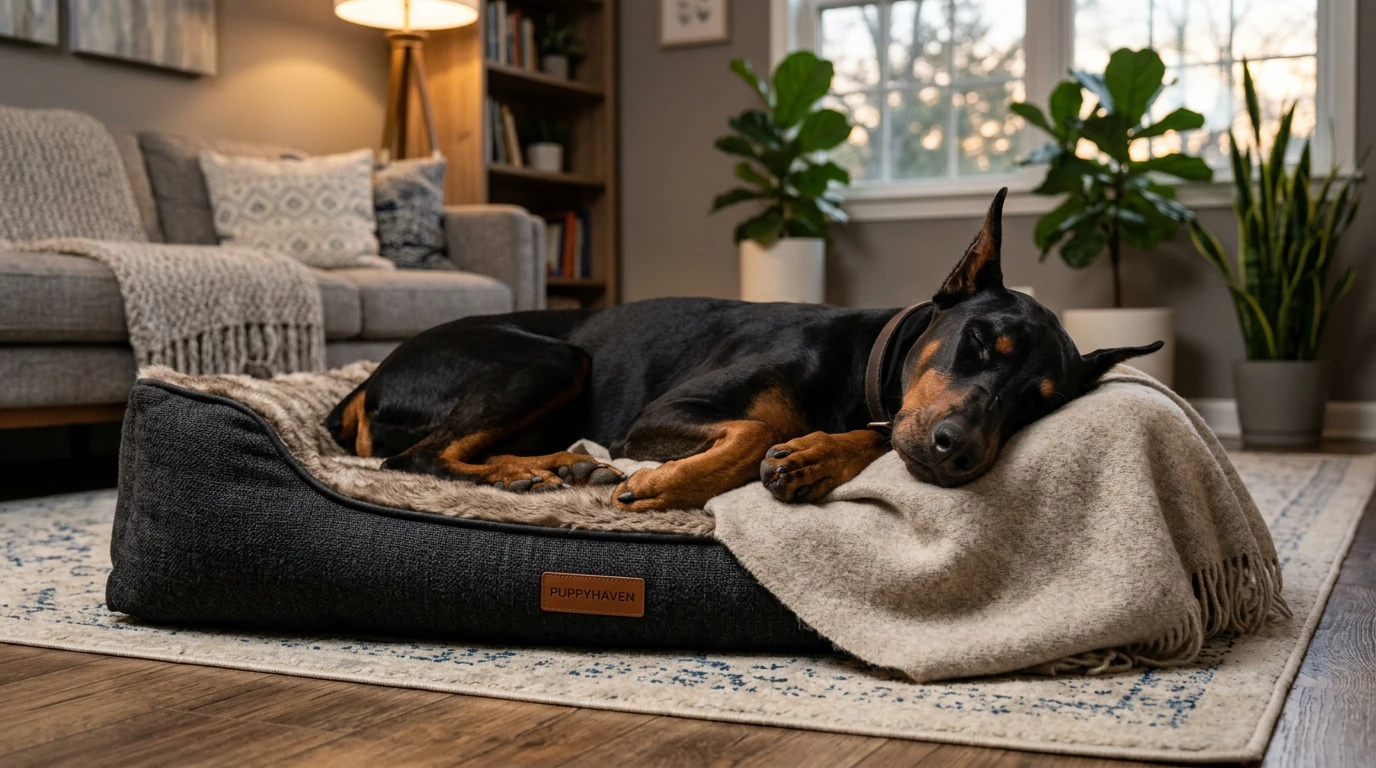
When a Doberman is properly exercised—both physically and mentally—their true personality shines through. A tired Doberman is calm, relaxed, and incredibly gentle. They are content to curl up on the couch, leaning their heavy head into your lap for hours.
If you're wondering about the broader picture of their personality and how to cultivate a well-rounded companion, our comprehensive Doberman Pinscher Temperament Care and Ownership Guide dives deep into what makes this breed tick, emphasizing how lifestyle impacts behavior.
Building a Sustainable Real-Life Routine
Knowing how much exercise a Doberman needs is one thing; fitting two hours of activity into a busy modern lifestyle is another. The key is breaking the exercise down into manageable blocks and mixing up the activities so neither of you gets bored.
Here is an example of a sustainable, well-rounded daily routine for an adult Doberman:
| Time of Day | Activity Type | Duration | Purpose |
|---|---|---|---|
| Morning | Brisk Walk or Light Jog | 30 - 45 mins | Burn off sleep-energy, bathroom routine, establish the day's tone. |
| Mid-Day | Puzzle Toy / Kong | 15 - 20 mins | Mental stimulation while you work; prevents boredom-induced destructive habits. |
| Late Afternoon | High-Intensity Play (Fetch / Flirt Pole) | 20 - 30 mins | Rapid heart rate elevation, sprinting, satisfying prey drive. |
| Evening | Training Session & Leisurely Sniffing Walk | 30 - 40 mins | Mental fatigue, bonding, and winding down before bedtime. |
Weather Considerations
Dobermans have a single, short coat and very little body fat. They are notoriously sensitive to extreme weather, particularly the cold. During freezing winter months, you will likely need to invest in a high-quality, insulated dog coat if you plan to spend an hour outside. Conversely, during extreme summer heat, their dark coats absorb the sun rapidly. On hot days, shift your intense exercise to the early mornings or late evenings to prevent heatstroke, and focus heavily on indoor mental games during the peak heat of the day.
The Value of the Flirt Pole
If you are short on time or dealing with terrible weather, a flirt pole is a Doberman owner's best friend. Essentially a giant cat toy for dogs (a sturdy pole with a bungee cord and a lure attached to the end), a flirt pole taps into the Doberman's natural chase instinct. Just 15 minutes of chasing, changing directions, and practicing impulse control ("leave it" and "get it") can exhaust a Doberman safely in a small backyard or even a cleared-out basement.
Final Thoughts on Doberman Energy
Owning a Doberman is a lifestyle commitment. When asking "how much exercise does a doberman need?", it is essential to look at your own daily habits. Are you active? Do you enjoy daily walks, weekend hikes, or dedicated training sessions? If you are a naturally active person, a Doberman will seamlessly integrate into your life, becoming the most enthusiastic workout partner you've ever had.
Fulfilling your Doberman's exercise requirements isn't a chore; it is an opportunity to bond. Every walk, every game of fetch, and every training session strengthens the communication and trust between you and your dog. When you put in the time to tire out their muscles and engage their minds, you are rewarded with the ultimate canine companion: a dog who is as protective and athletic outside as they are friendly, calm, and devoted inside your home.
Those same patterns often show up in Doberman Training Basics: How to Build Focus, Manners, and Confidence and Do Dobermans Bark a Lot? What Usually Triggers the Noise, because under-exercised Dobermans are frequently read as noisy, reactive, or difficult before their daily routine is fixed.