Dog Sweaters, Hoodies, and Everyday Cold-Weather Layers
When the crisp autumn breeze turns into a sharp winter chill, we instinctively reach for our favorite soft knits and heavy coats. But as you bundle up to head outside, you might look down at your canine companion and wonder: Do they need an extra layer too?
While some dogs are naturally equipped with thick, double-layered coats designed to withstand freezing temperatures, many of our modern pets lack the biological insulation required to stay comfortable in colder climates. Providing your dog with a high-quality sweater or hoodie isn't just about making a fashion statement—though a stylish pup is certainly a wonderful bonus. It is a fundamental aspect of seasonal pet care, offering essential thermoregulation, protection against the elements, and emotional comfort for anxious or sensitive dogs.
Welcome to your dog sweaters complete guide. Whether you are looking for a rugged fleece pullover for winter hikes, a lightweight hoodie for chilly evening walks, or trying to decide between hand-crafted yarn and durable store-bought options, this comprehensive manual will walk you through everything you need to know.
Why Do Dogs Need Sweaters?
Before diving into the diverse world of canine fashion, it is important to understand the physiology behind why certain dogs require extra layers. A dog's natural coat serves as its primary defense against cold weather, trapping air close to the skin to create a barrier of warmth. However, selective breeding and indoor lifestyles have altered many dogs' natural ability to self-regulate in extreme cold.
Several factors determine whether your dog needs a sweater:
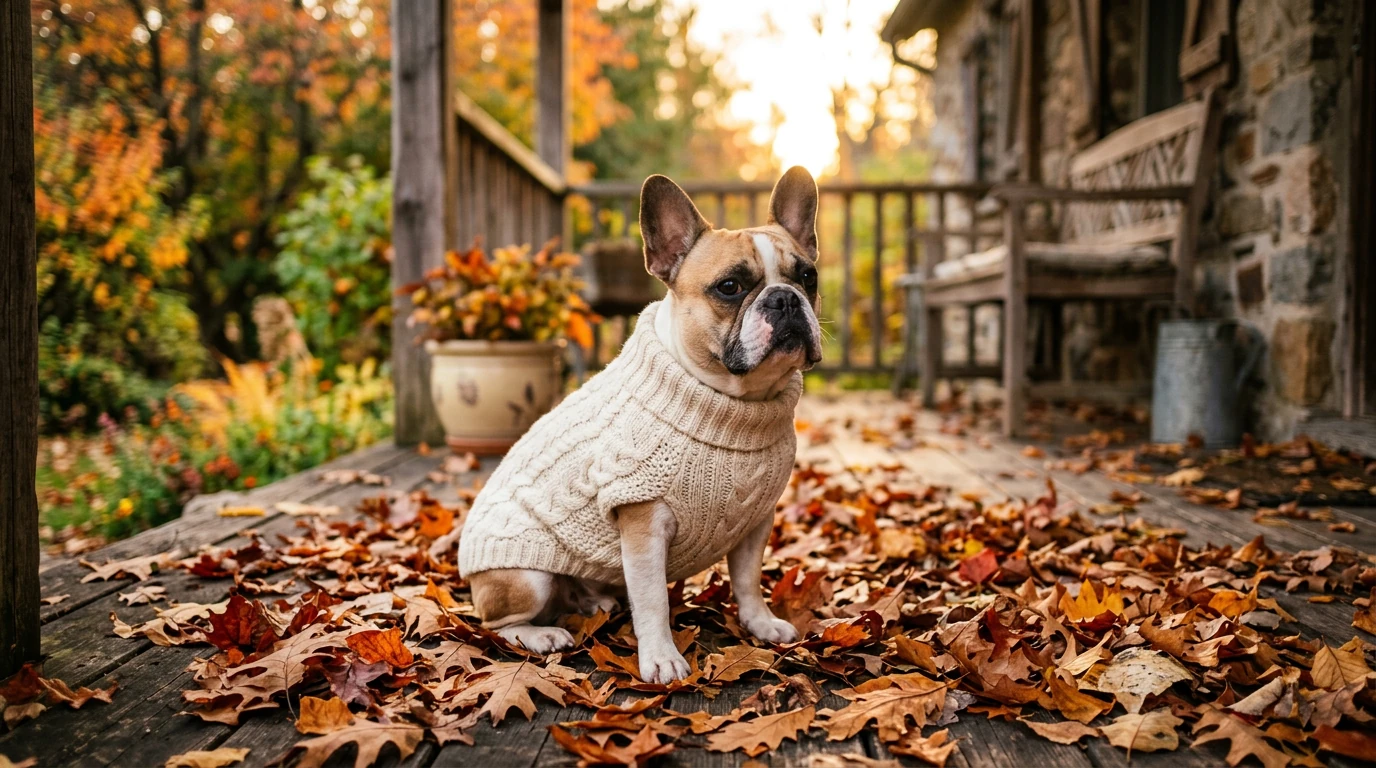
- Breed and Coat Type: Toy breeds, short-haired dogs (like Chihuahuas, Greyhounds, and French Bulldogs), and dogs with single-layer coats have very little natural insulation. They lose body heat rapidly and struggle to generate enough warmth on their own.
- Life Stage: Puppies and senior dogs have harder times regulating their body temperatures. Puppies haven't fully developed their thermal regulation systems, while older dogs often suffer from arthritis, joint stiffness, and slower circulations, making cold damp weather particularly painful.
- Health Conditions: Dogs recovering from illnesses, those with compromised immune systems, or pets with hair loss (due to allergies or medical treatments) require artificial layers to protect their skin and conserve energy.
- Physical Size: Small dogs have a higher surface-area-to-mass ratio than larger dogs, meaning they lose heat to the surrounding environment much faster than a Golden Retriever or a Bernese Mountain Dog.
If you notice your dog shivering, tucking their tail, lifting their paws off the cold ground, or displaying a general reluctance to go outside, it is time to invest in high-quality cold-weather layers.
Dog Sweater Styles and Types
If you want to see how these ideas play out in more specific wardrobe decisions, Blue Dog Jumper: How to Choose the Right Fit and Style, Bulldog Sweaters: How to Choose the Right Fit and Style, and Cable Knit Dog Sweater: How to Choose the Right Fit and Style each zoom in on a slightly different fit-and-style problem.
Just like human fashion, canine apparel has evolved to offer a wide variety of designs tailored to different activities, weather conditions, and body shapes. Finding the right look depends on your dog’s daily routine and unique proportions. Let's explore the primary dog sweater styles and types available on the market today.
1. The Classic Cable-Knit Sweater
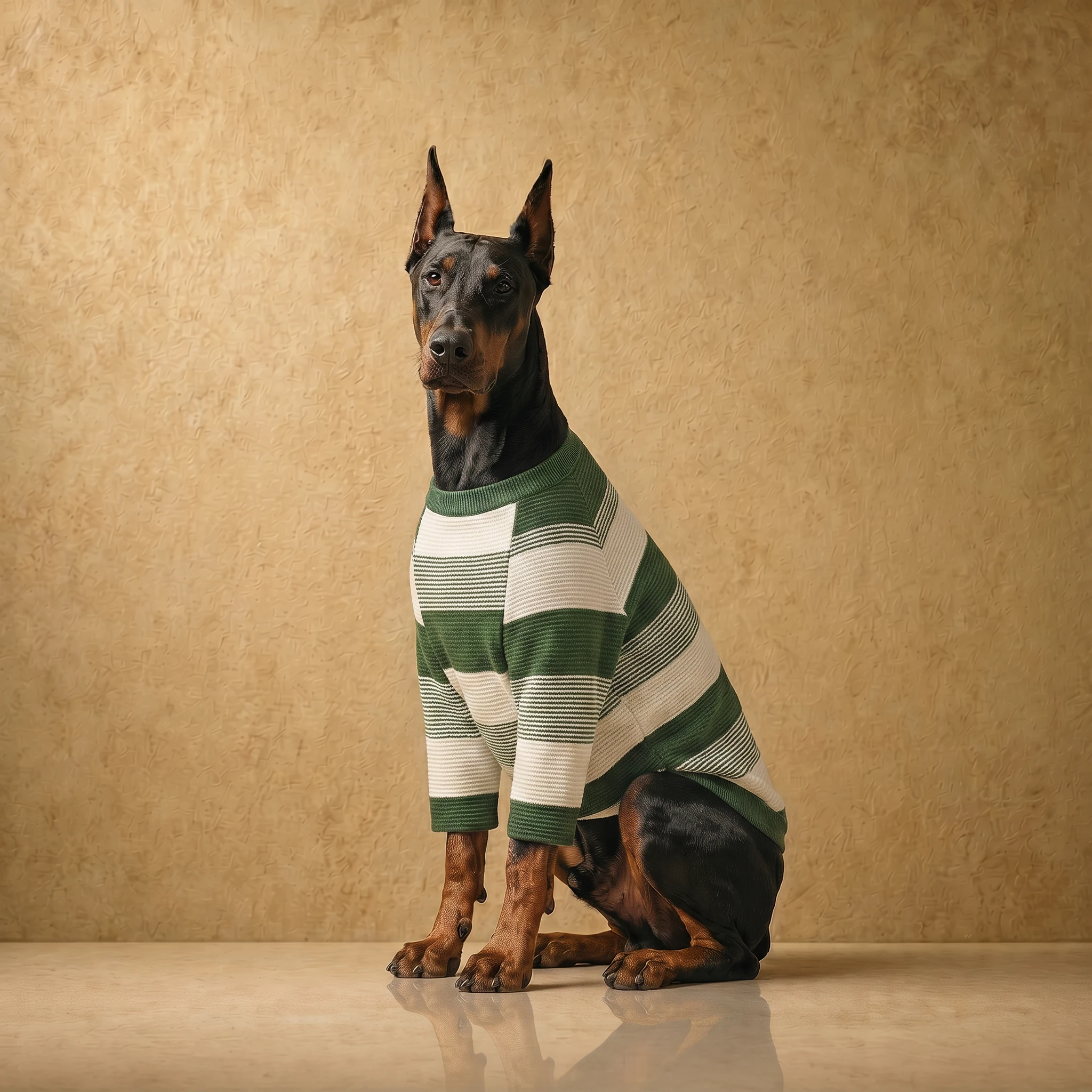
The quintessential winter look, cable-knit sweaters offer timeless charm and exceptional warmth. If you want a closer look at how this style works in practice, Cable Knit Dog Sweater: How to Choose the Right Fit and Style goes deeper into fit, texture, and everyday wear. Typically crafted from wool, acrylic, or a blend of both, these sweaters stretch easily to accommodate your dog's movements. They are perfect for dry, cold days and indoor lounging.
- Best For: Indoor warmth, dry outdoor walks, and stylish holiday photos.
- Pros: Highly breathable, flexible, and visually classic.
- Cons: Can snag on brush during off-trail walks; absorbs moisture quickly in snow or rain.
2. The Sporty Dog Hoodie
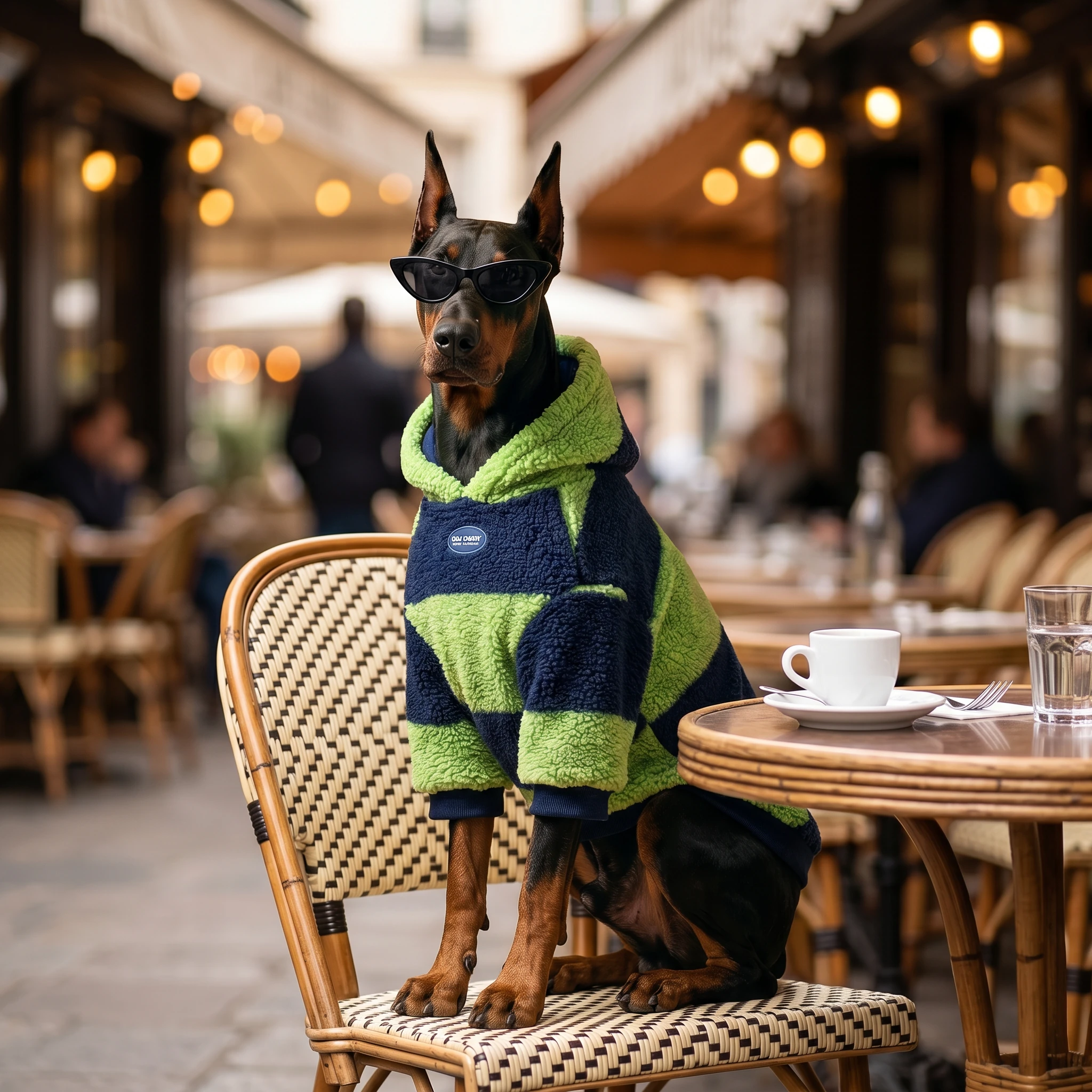
If your dog has a modern, active personality, a hoodie is an excellent casual option. Often made from soft cotton-polyester sweat fleece, hoodies feature a hood that can be pulled up to protect sensitive ears from biting winds, or left down for a laid-back street-style look. Many hoodies include a small pass-through hole for leash attachment.
- Best For: Casual neighborhood walks, transition seasons (spring and autumn), and active play.
- Pros: Machine washable, durable, and highly comfortable.
- Cons: The hood can occasionally distract or annoy dogs who are not accustomed to headwear.
3. The Performance Fleece Pullover
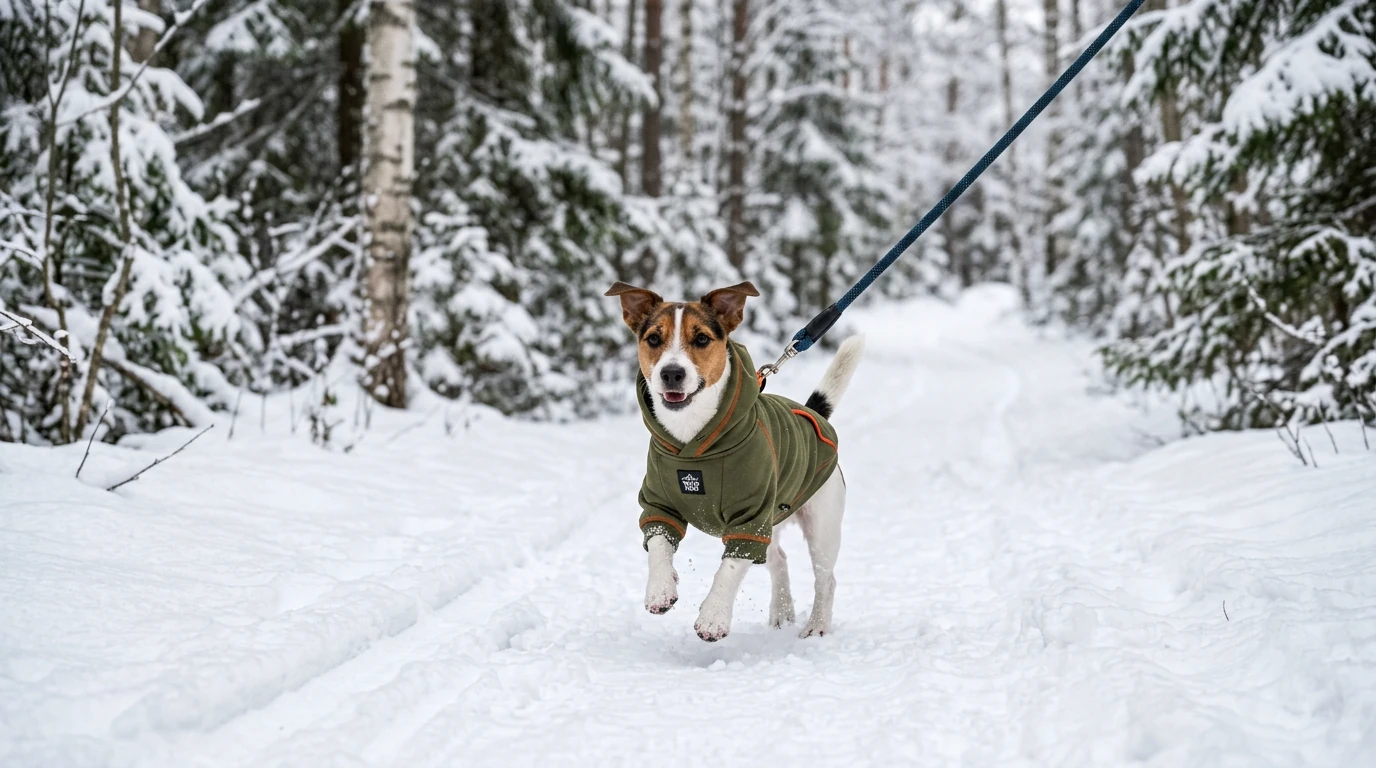
For the outdoor adventurer, a performance fleece is hard to beat. Made from synthetic polar fleece, these pullovers are incredibly lightweight, highly insulating, and hydrophobic—meaning they resist water and dry incredibly fast. They hug the body closely to lock in core warmth without restricting running or jumping.
- Best For: Hiking, running, camping, and snowy trail adventures.
- Pros: Quick-drying, excellent warmth-to-weight ratio, and highly resistant to wear and tear.
- Cons: Can generate static electricity in dry winter climates.
4. The Weatherproof Hybrid Coat
When the winter weather turns wet and slushy, a simple knit won’t cut it. Hybrid layers combine the soft, insulating interior of a sweater or fleece with a windproof and water-resistant outer shell. These are designed to keep your dog's core bone-dry and warm even in heavy sleet or snow.
- Best For: Rainy winter days, heavy snow, and extreme wind.
- Pros: Total protection from wet weather; easy to wipe clean.
- Cons: Less stretchy than pure knits, requiring precise sizing for a comfortable fit.
How to Choose Dog Sweaters: Sizing & Fabric
Breed shape matters here, so it helps to compare broad guidance with more specific examples like Sweaters for Dachshunds: How to Choose the Right Fit and Style and Labrador Sweatshirt: How to Choose the Right Fit and Style.
Knowing how to choose dog sweaters that fit perfectly is the difference between a happy, warm pup and a stressed, uncomfortable pet. A sweater that is too tight can restrict breathing, cause painful chafing under the armpits, and limit natural movement. Conversely, a sweater that is too loose can drag on the ground, trip your dog, or worse, get soiled during bathroom breaks.
1. Taking Accurate Measurements
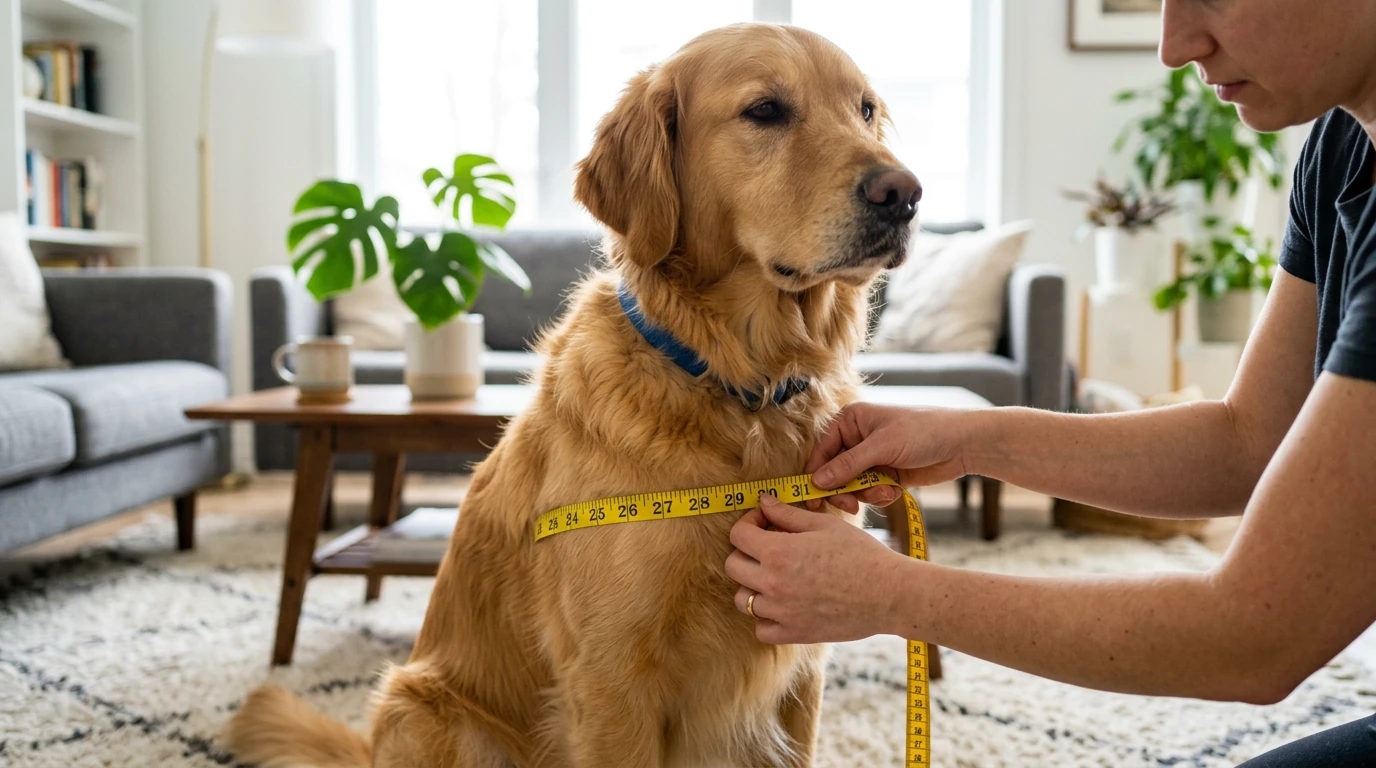
Never buy a dog sweater based on weight or generic labels like "Medium" alone. A "Medium" French Bulldog has vastly different proportions than a "Medium" Whippet. Grab a soft sewing tape measure and record the following three key dimensions while your dog is standing naturally:
- Chest Girth: This is the most critical measurement. Wrap the tape measure around the widest part of your dog’s ribcage, usually right behind their front legs. Keep the tape snug but not tight—you should be able to slide two fingers comfortably underneath it.
- Back Length: Measure along the spine from the base of the neck (where their collar sits) to the base of their tail. If your dog falls between sizes, it is generally best to size up for length, provided the chest measurement isn't too loose.
- Neck Girth: Measure the circumference of the neck where a collar naturally rests. Ensure the collar of the sweater will stretch or fit over your dog's head without pinching.
| Size Category | Average Chest Girth | Average Back Length | Common Breeds (Reference Only) |
|---|---|---|---|
| XS | 11" - 15" | 8" - 10" | Toy Poodle, Chihuahua, Yorkshire Terrier |
| S | 15" - 19" | 10" - 12" | Pug, Jack Russell, Pomeranian |
| M | 19" - 23" | 12" - 16" | French Bulldog, Boston Terrier, Cocker Spaniel |
| L | 23" - 28" | 16" - 20" | Border Collie, Beagle, Standard Schnauzer |
| XL | 28" - 34" | 20" - 24" | Boxer, Golden Retriever, Labrador |
| XXL | 34"+ | 24"+ | Great Dane, Mastiff, Rottweiler |
2. Fabric Selection and Care
When choosing a material, consider both your lifestyle and your dog’s skin sensitivity.
- Wool: Exceptional natural warmth and self-regulating properties. However, it requires hand-washing and air-drying to prevent shrinkage, and some dogs with sensitive skin find pure wool scratchy.
- Acrylic: A fantastic synthetic alternative to wool. It is soft, lightweight, hypoallergenic, and machine washable, making it a highly practical choice for busy pet parents.
- Fleece & Polyester: Extremely durable, soft, and quick to dry. Excellent for active dogs who love to roll in the grass or snow.
- Cotton Blends: Breathable and soft, ideal for indoor wear or milder autumn days, though they do not offer the intense heat retention of wool or fleece.
The DIY Dilemma: Knitting vs. Buying
If you are leaning toward handmade layers, Easy Crochet Dog Sweater Pattern: Patterns, Fit Tips, and Practical Ideas, Free Dog Sweater Knitting Pattern Straight Needles: Patterns, Fit Tips, and Practical Ideas, Knitted Dog Jumpers: Patterns, Fit Tips, and Practical Ideas for Puppies and Small Dogs, Knitted Sweaters for Dogs Patterns: Patterns, Fit Tips, and Practical Ideas, and Cozy Up: The Ultimate Dog Knit Hat Pattern and Crafting Guide cover different pattern directions without forcing you into one craft style.
For the craft-oriented pet owner, winter presents a wonderful opportunity to explore a dog sweater knitting and buying guide. There is something incredibly special about creating a custom garment for your beloved pet, but there are distinct advantages to both routes.
Custom Knitting
If you knit or crochet, making a custom sweater allows you to adjust the pattern precisely to your dog’s unique shape. This is particularly helpful for hard-to-fit breeds like Dachshunds (who need extra length but narrow chests) or Bulldogs (who require wide necks and broad chests).
When knitting, always select a washable, pet-friendly yarn. Avoid fibers that shed easily, as dogs may lick their sweaters and ingest loose wool fibers. Opt for high-quality superwash merino wool or premium acrylic yarns that offer stretch, warmth, and washability.
Buying Ready-to-Wear
While knitting is a labor of love, purchasing a professionally designed dog sweater offers structural advantages. Modern manufactured dog sweaters often feature integrated leash portals, harness attachments, adjustable velcro straps, elastic leg loops to keep the hem in place, and reflective safety strips for low-light winter walks. For heavy weather, snow, or high-intensity outdoor play, a professionally engineered technical sweater is usually the safest and most durable choice.
Safety and Comfort Best Practices
Once you’ve found the perfect layer, keeping your dog safe and comfortable requires a little extra attention.
- Check for Chafing: After your dog wears their sweater for the first time, check their friction points—specifically the armpits and around the neck—for redness, hair loss, or irritation. If you see signs of rubbing, the garment is too tight or the seams are too rough.
- Avoid Choking Hazards: Steer clear of sweaters decorated with loose buttons, tassels, zippers, or dangling cords. Dogs can easily chew these off and swallow them, leading to expensive emergency vet visits.
- Potty Clearance: Ensure the underside of the sweater is cut high enough on the belly. Male dogs, in particular, need a generous clearance to prevent the fabric from getting wet during potty breaks.
- Supervised Wear: Never leave your dog unattended in a sweater, especially if they are crated or left home alone. Sweaters can snag on crates, furniture corners, or branches, posing a serious safety risk.
Keeping Cozy All Season Long
As the temperatures drop, keeping your dog warm, dry, and secure should be a seamless part of your daily routine. By understanding your dog's unique physical needs, taking accurate measurements, and selecting the style that matches their daily adventures, you can turn winter walks from a shivering chore into a cozy, joyful experience.
Invest in a few high-quality, versatile layers, care for them properly, and watch your companion thrive all season long. After all, a warm dog is a happy dog, ready to explore the winter wonderland right by your side.
If you want to go deeper into the most important subtopics from this overview, these focused guides pick up the questions readers usually ask next: