Cozy Up: The Ultimate Dog Knit Hat Pattern and Crafting Guide
When the winter wind starts to howl and the frost settles on the morning grass, our daily dog walks can quickly turn from refreshing to freezing. While many pet owners already rely on cozy knitted dog sweaters to keep their companions' cores warm, there is one crucial area that is frequently overlooked: the ears and head. Dogs lose a significant amount of body heat through their heads, and breeds with thin skin or short coats are particularly susceptible to the chill.
Finding the perfect winter accessories in stores can be tricky. Store-bought hats often slip off, squeeze too tightly, or have ear holes that simply do not align with your dog's unique anatomy. The solution? Taking matters into your own hands. Diving into the world of dog hat knitting allows you to customize the fit, color, and style to perfectly suit your furry best friend.
Whether you are a seasoned knitter looking for a quick weekend project or a beginner searching for a dog hat knitting pattern free of complicated jargon, this guide will walk you through everything you need to know.
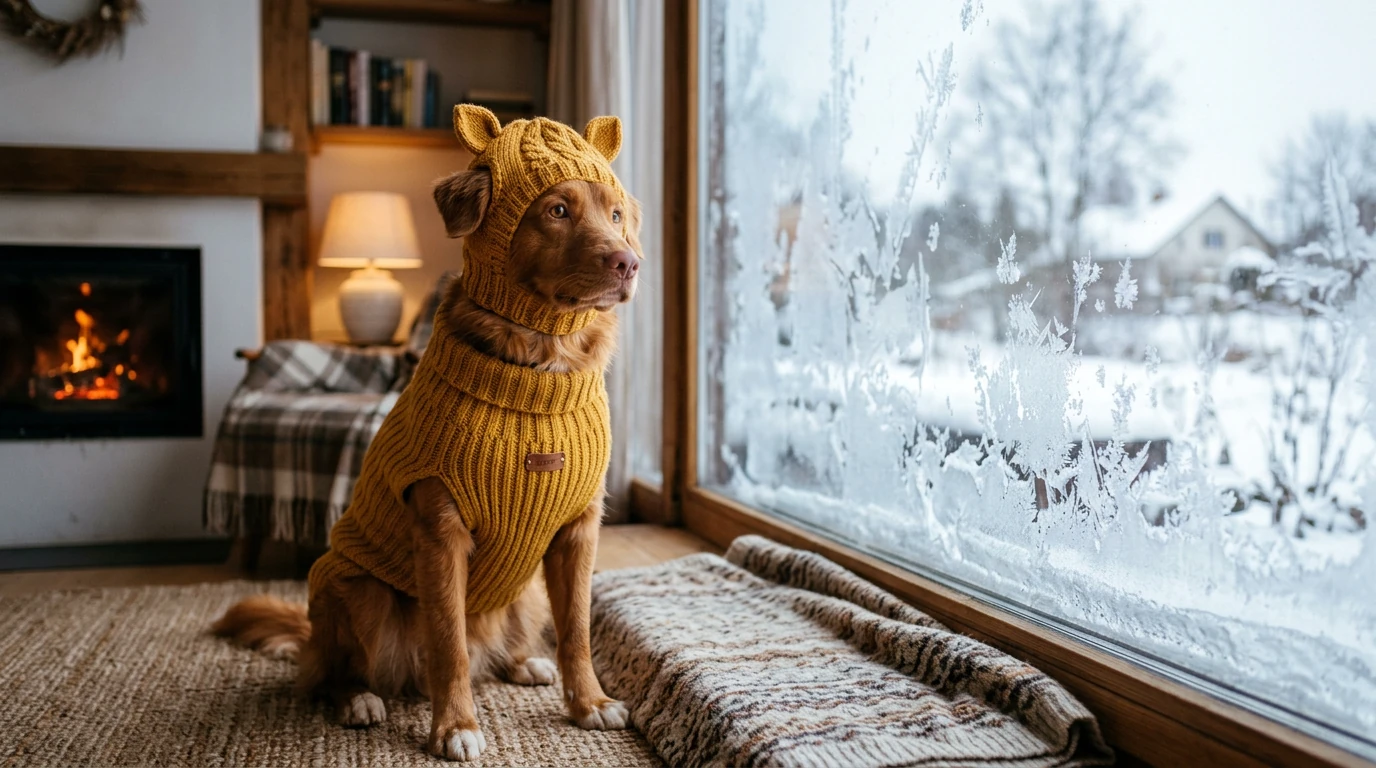
This narrower guide makes more sense alongside the broader Dog Sweaters, Hoodies, and Everyday Cold-Weather Layers, which frames how this topic fits into the bigger ownership picture.
Why Your Dog Needs a Knitted Hat
Before we dive into the yarn and needles, you might be wondering if a dog actually needs a hat, or if it is just a cute fashion statement. While there is no denying the adorable factor of a pup in a pom-pom beanie, there are very real, practical benefits to canine headwear.
First, protection against the elements is vital. Cold winds can easily lead to dry, cracked ear tips, especially in breeds with prominent, upright ears. A well-fitted knit hat acts as a protective barrier, keeping the delicate skin safe from frostbite and wind chapping.
Second, hats provide essential noise buffering. Winter brings its own set of loud, startling noises—from snowplows scraping the asphalt to harsh winter storms. A thick, knitted hat covering the ear canals can gently muffle these scary sounds, providing a calming effect for anxious dogs during their outdoor bathroom breaks.
Finally, a hat completes the winter wardrobe. If you are already dressing your dog in knitted dog sweaters, a matching hat creates a thermal seal at the neck, preventing cold air from slipping down their collar.
Choosing the Right Supplies for Dog Hat Knitting
To ensure your project is a success, you need to start with the right materials. Dogs have sensitive skin, and the yarn you choose will dictate how comfortable the hat is for them to wear.
Selecting the Best Yarn
When evaluating yarn for a dog knit hat pattern, prioritize softness, stretch, and washability.
- Acrylic: This is a fantastic, budget-friendly option. It is completely machine washable, which is a must for anything your dog will wear to the muddy dog park. High-quality acrylics are incredibly soft and won't cause the itching sometimes associated with pure animal fibers.
- Superwash Wool: If you want the incredible warmth and moisture-wicking properties of natural wool without the hassle of hand-washing, superwash wool is the perfect middle ground. It provides excellent insulation even if it gets a bit damp from the snow.
- Cotton Blends: For dogs living in milder climates where a thick wool hat might cause overheating, a cotton-acrylic blend offers a lightweight layer of protection.
Avoid novelty yarns (like eyelash or boucle yarns) for the main body of the hat, as they can easily get snagged on your dog's claws when they try to scratch their ears.
Needles and Notions
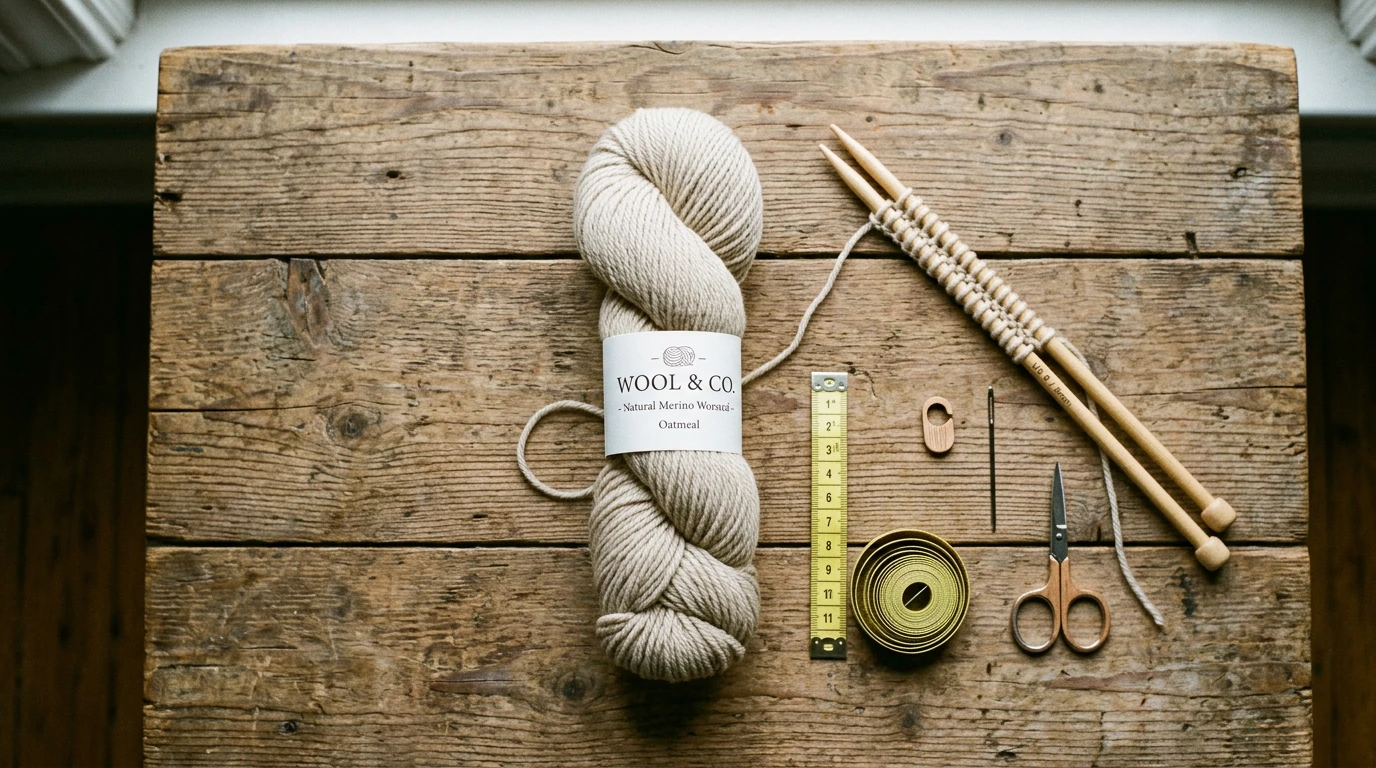
For the basic pattern provided below, you will need worsted weight yarn (Weight 4) and US Size 8 (5.0 mm) knitting needles. You can use either double-pointed needles (DPNs) for knitting in the round or straight needles if you prefer to knit flat and seam the hat up the back. You will also need a soft measuring tape, a tapestry needle for weaving in ends, and some stitch markers.
Measuring Your Dog for the Perfect Fit
The key to a dog hat that stays put is accurate measurements. A generic "medium" can mean a wildly different size depending on the brand or pattern designer. Grab your soft measuring tape and note down the following dimensions:
| Measurement Area | How to Measure | Why It Matters |
|---|---|---|
| Head Circumference | Wrap the tape around the widest part of your dog's head, just in front of their ears. | Determines the number of cast-on stitches and the overall width of the hat. |
| Neck Circumference | Measure where the collar naturally sits. | Ensures the ribbed neckband fits securely without choking. |
| Crown to Brow | Measure from the center top of the head down to just above the eyebrows. | Dictates how long the front brim of the hat should be before decreasing. |
| Ear Base Width | Measure the width of the ear where it attaches to the skull. | Crucial for creating ear slits that don't pinch or restrict movement. |
A Simple Dog Hat Knitting Pattern (Free & Beginner-Friendly)
This pattern is written for a medium-sized dog (about 20-30 lbs) with an approximate head circumference of 14 inches. The pattern is knitted flat on straight needles to make it highly accessible for beginners.
Gauge
18 stitches and 24 rows = 4 inches in stockinette stitch.
Neckband (Ribbing)
- Cast On: Cast on 60 stitches using your US 8 straight needles.
- Ribbing: Work in a 2x2 rib (Knit 2, Purl 2) for 2.5 inches. This creates a stretchy, snug turtleneck that will keep drafts out.
The Main Head and Ear Holes
Now, we transition to stockinette stitch (Knit one row, Purl one row) while creating the crucial ear slits. This allows your dog's ears to sit naturally outside the hat for comfort and hearing.
- Setup Row (Right Side): Knit all stitches.
- Purl Row (Wrong Side): Purl all stitches.
- Creating the Ear Slits (Right Side): Knit 15 stitches. Bind off the next 10 stitches (this creates the first ear hole). Knit 10 stitches across the top of the head. Bind off the next 10 stitches (second ear hole). Knit the remaining 15 stitches.
- Reconnecting (Wrong Side): Purl 15. Cast on 10 stitches over the gap using the backward loop cast-on method. Purl 10. Cast on 10 stitches over the second gap. Purl to the end of the row.
Note: If your dog has very wide or thick ears, you can bind off 12 or 14 stitches instead, adjusting the remaining stitches accordingly based on your custom measurements.
Crown Decreases
Once the ear holes are established, continue in stockinette stitch until the hat measures about 2 inches from the top of the ear holes.
- Decrease Row 1: Knit 8, Knit 2 Together (K2Tog); repeat from * to end of row. (54 stitches remain)
- Purl Row: Purl all stitches.
- Decrease Row 2: Knit 7, K2Tog; repeat to end. (48 stitches)
- Purl Row: Purl all stitches.
- Continue this pattern of decreasing by one knit stitch between the K2Tog on every right-side row until you have 12 stitches remaining.
Finishing
Cut the yarn, leaving a long 20-inch tail. Thread this tail through a tapestry needle, slip the remaining 12 stitches off the knitting needle, and pull the yarn tight to cinch the top of the crown closed. Use the remaining length of the yarn tail to mattress stitch the back seam of the hat together. Weave in all loose ends.
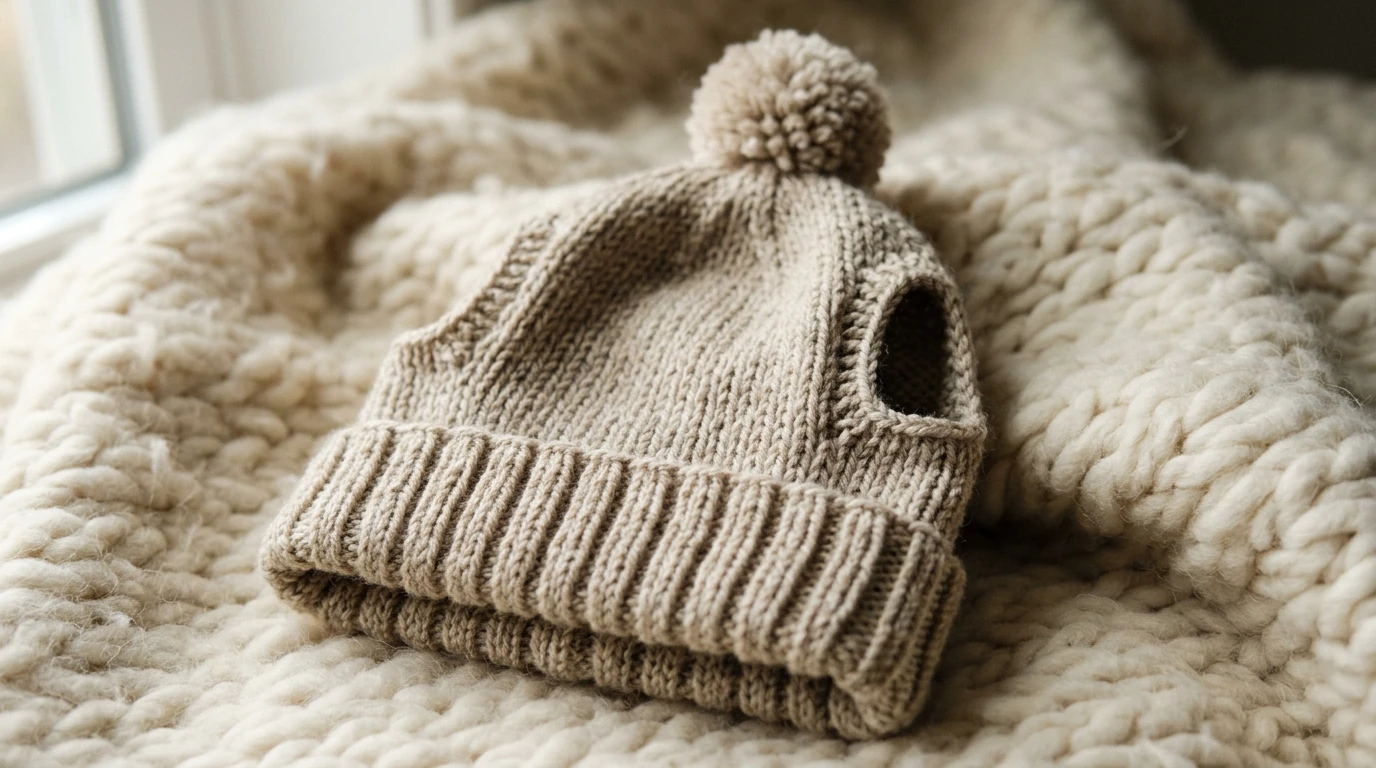
Optional: Add a handmade yarn pom-pom to the top for extra flair, ensuring it is sewn on very securely so it does not become a chewing hazard!
Adapting for Different Breeds and Ear Types
No two dogs are exactly alike, and neither are their ears. A one-size-fits-all approach rarely works in canine fashion.
For floppy-eared breeds like Cocker Spaniels or Basset Hounds, you may choose to skip the ear slits entirely. Instead, knit the hat as a simple tube with a closed top (like a human beanie), allowing their long ears to stay warmly tucked inside the hat. This provides excellent protection against the cold and keeps their ears from dragging in the snow.
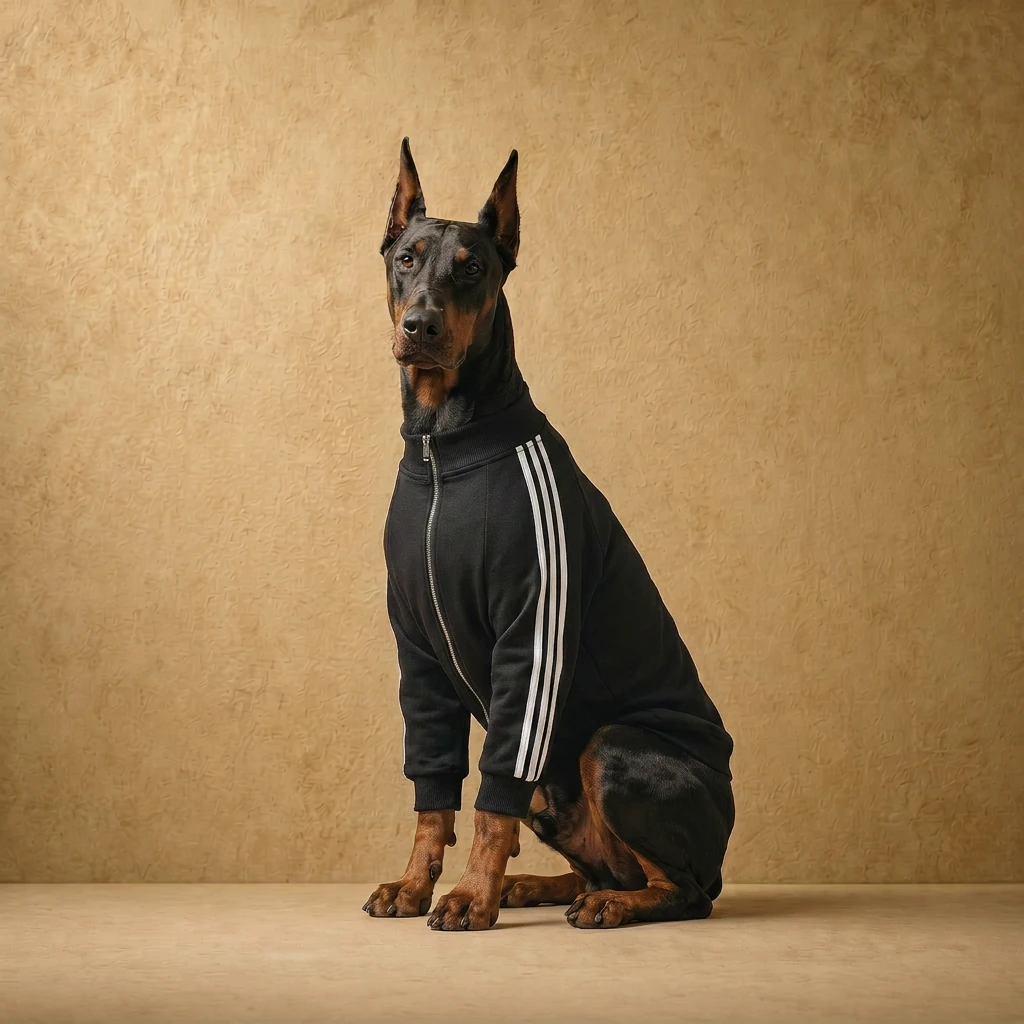
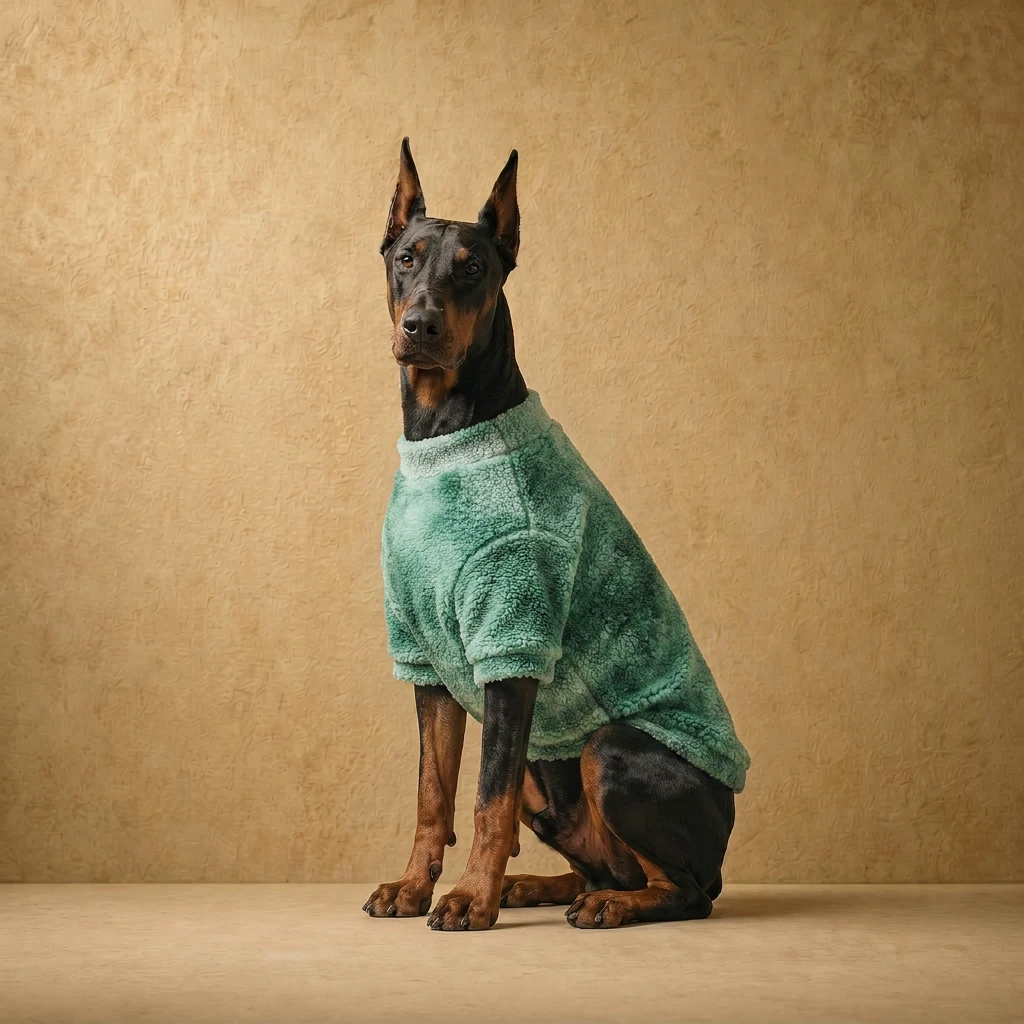
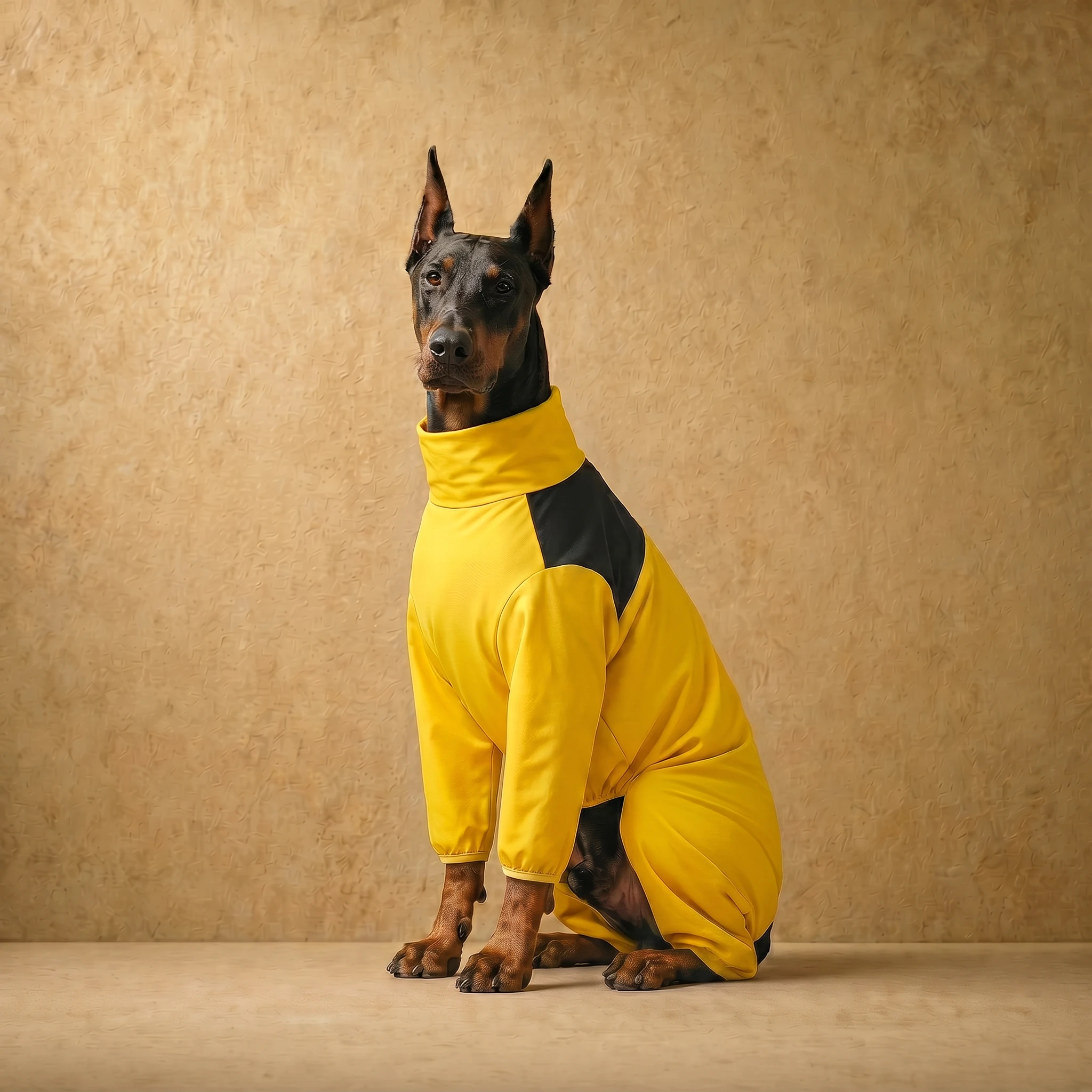
On the other hand, breeds with prominent, upright, or cropped ears require special consideration. For example, if you are reading through a Doberman Pinscher Temperament Care and Ownership Guide, you will know that these sleek, athletic dogs have a single layer coat and are quite sensitive to extreme cold. Whether their ears are natural or cropped, a Doberman benefits greatly from a custom-knit hat that accommodates their specific ear placement while providing deep neck coverage to protect their sleek throats from icy winds.
Pairing Hats with Knitted Dog Sweaters
The most delightful part of knitting for your dog is the ability to create coordinating outfits. A matching hat and sweater set not only looks incredibly charming on walks but also provides head-to-tail thermal regulation.
If you have already created a piece using one of our Knitted Sweaters for Dogs Patterns: Patterns, Fit Tips, and Practical Ideas, try using the leftover yarn to knit a matching hat. Because hats use considerably less yardage than sweaters, they are the perfect stash-busting project. You can knit the hat in the exact same color, or use the sweater's main color as a striped accent on a contrasting hat.
For those who love the simplicity of knitting back and forth on straight needles rather than dealing with the fiddly nature of circulars, combining this flat-knit hat pattern with a Free Dog Sweater Knitting Pattern Straight Needles: Patterns, Fit Tips, and Practical Ideas will give you a complete, beginner-friendly winter wardrobe project. You can use the exact same ribbing technique on the sweater's hem as you do on the hat's neckband, tying the whole look together seamlessly.
Troubleshooting Common Hat Problems
Even with careful measuring, your first attempt at a dog knit hat pattern might need a few tweaks once you try it on your pet.
- The Hat Slides Backwards: If the hat keeps slipping down your dog's neck, the neckband might be too loose, or the front brim (above the eyes) might be too short. To fix this on your next attempt, decrease your needle size by one for the ribbed neckband to make it tighter. Alternatively, you can pick up stitches around the bottom edge and knit an I-cord tie or sew on a soft fleece chin strap with a button.
- The Ears Look Pinched: If your dog is shaking their head or the ear slits look tight, you didn't bind off enough stitches for the ear holes. Remember, it is always better to make the ear holes slightly too large than too small. You can carefully unravel the work back to the ear slit row and bind off 4 to 6 additional stitches per ear.
- Your Dog Hates Wearing It: Introduce the hat slowly. Let them sniff it first, give them a high-value treat, and lay it gently on their back. Slowly progress to slipping it over their head for just a few seconds, rewarding them heavily. Never force a hat onto a distressed dog; patience and positive reinforcement will eventually help them associate the cozy knitwear with pleasant outdoor adventures.
Final Stitches
Creating a warm, protective hat for your dog is a rewarding labor of love. By choosing the right yarn, taking accurate measurements, and utilizing a straightforward dog hat knitting pattern free of complex techniques, you can keep your best friend comfortable all season long. So gather your straight needles, pick out a beautiful skein of worsted yarn, and cast on a project that will make this winter your dog's coziest one yet.
If you are building a fuller handmade cold-weather set, Knitted Sweaters for Dogs Patterns: Patterns, Fit Tips, and Practical Ideas and Free Dog Sweater Knitting Pattern Straight Needles: Patterns, Fit Tips, and Practical Ideas are the most natural next reads.