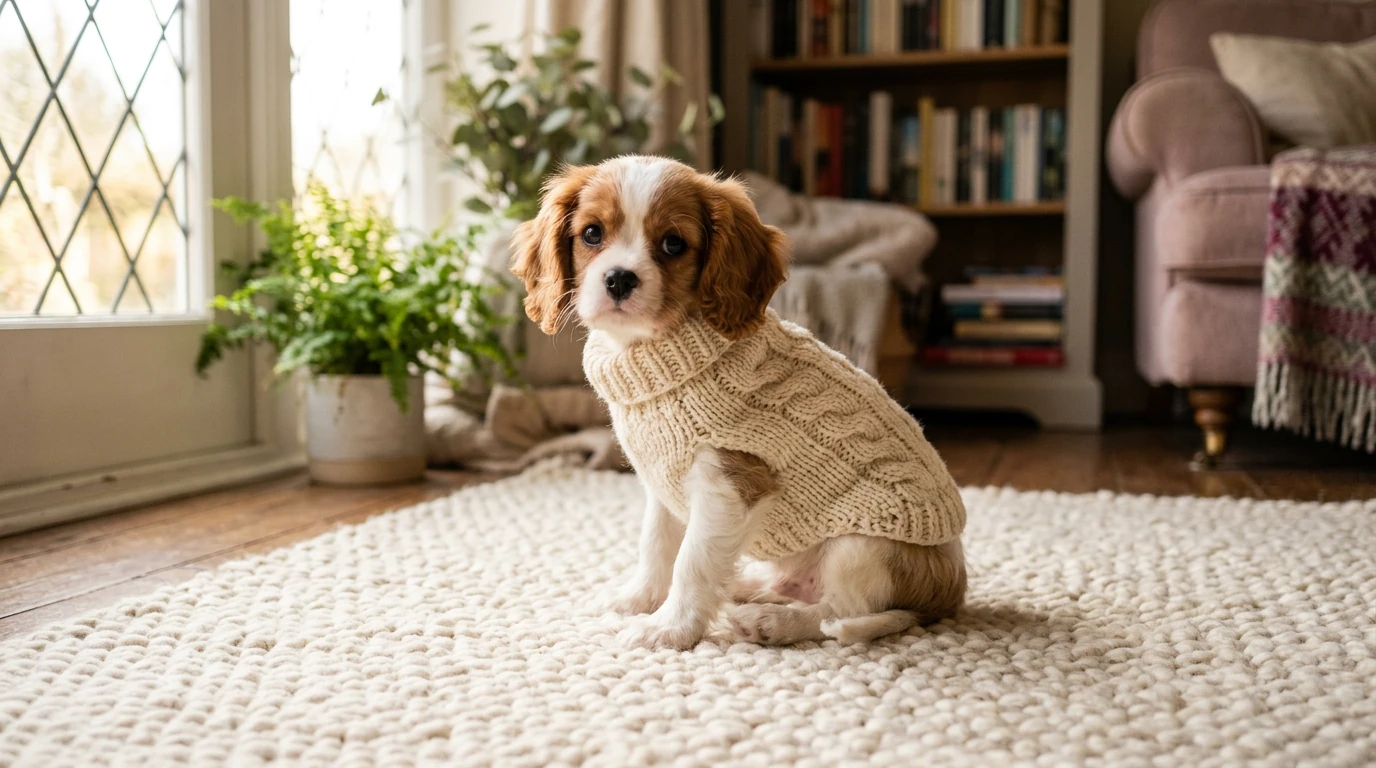
There is nothing quite like the sight of a young pup trotting down the street in a cozy, perfectly fitted sweater. Beyond the undeniable cuteness factor, a high-quality dog jumper serves a vital physiological purpose. For young puppies, senior dogs, and short-coated breeds, retaining body heat during cooler months is a constant struggle. A well-crafted, hand knitted dog jumpers collection can make all the difference in keeping your canine companion warm, secure, and happy.
In this comprehensive guide, we will focus closely on the unique needs of young dogs and explore the world of knitted puppy jumpers. We’ll cover everything from choosing puppy-safe yarns and mastering the art of sizing a growing body, to selecting patterns that offer both flexibility and safety.
This narrower guide makes more sense alongside the broader Dog Sweaters, Hoodies, and Everyday Cold-Weather Layers, which frames how this topic fits into the bigger ownership picture.
Why Puppies and Small Dogs Need Extra Warmth
While adult dogs of certain breeds possess thick, double-layered coats designed to withstand freezing temperatures, puppies are vastly different. A puppy’s thermoregulation system is not yet fully developed. Because they are small, they have a high surface-area-to-body-mass ratio, meaning they lose body heat much faster than they can generate it.
Additionally, puppies lack the insulating layer of body fat that mature dogs naturally carry. This makes cold weather not just uncomfortable for them, but physically stressful. Shivering drains their energy reserves quickly, which can impact their immune health and overall growth. Providing a snug knitted puppy jumper helps insulate their delicate core, allowing them to focus their energy on exploring and growing.
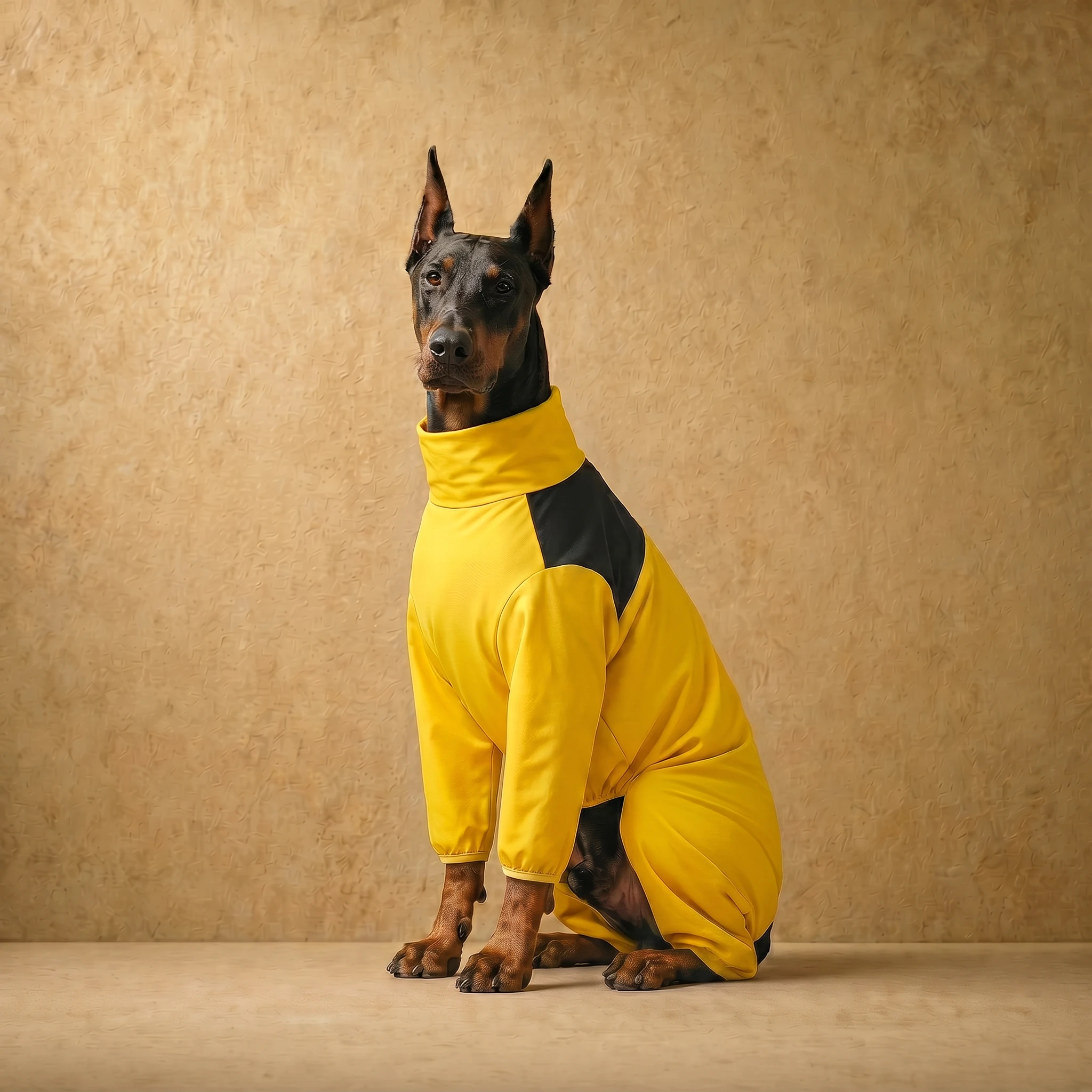
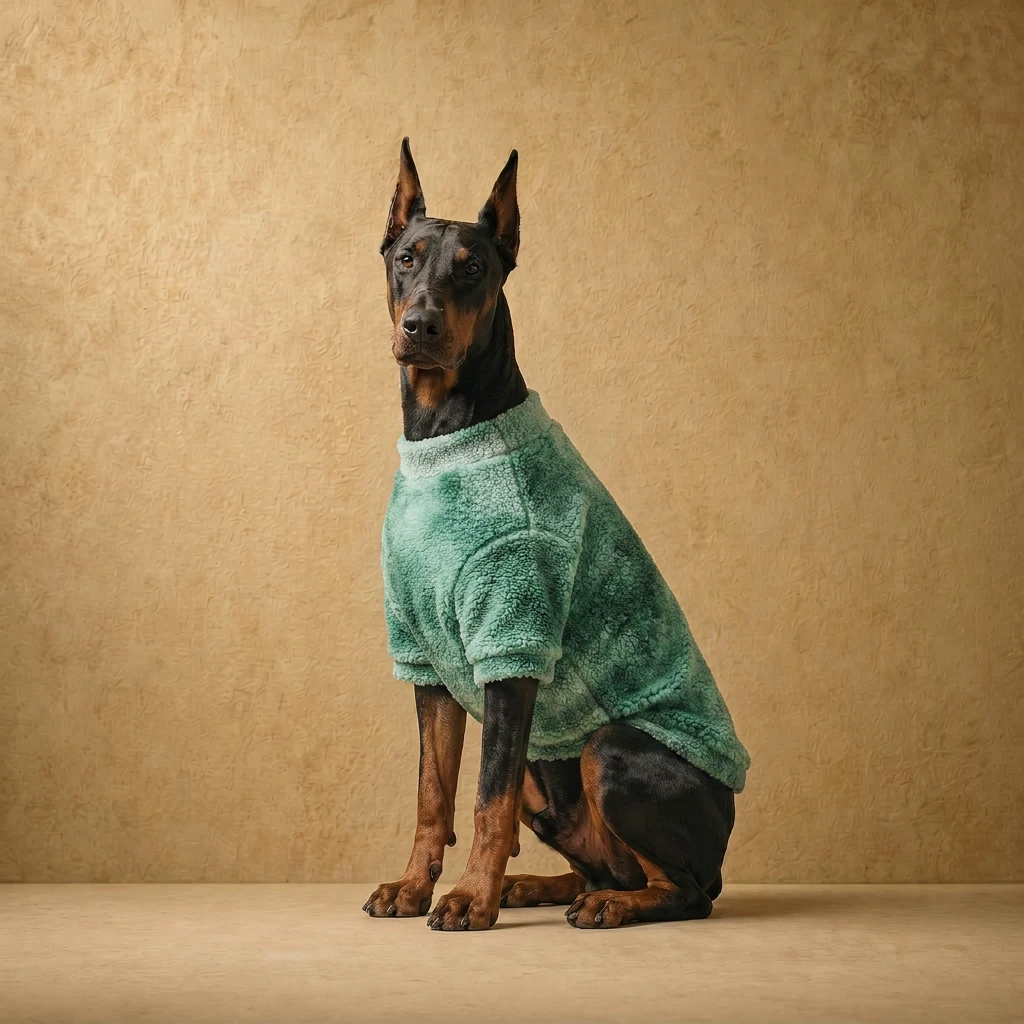
This need for supplemental warmth isn't exclusive to puppies; it is also a lifetime requirement for specific adult breeds. For instance, short-coated breeds and puppies with minimal body fat require extra insulation. While you are learning the ropes in our Doberman Pinscher Temperament Care and Ownership Guide, you will quickly realize that their sleek single coats make them highly susceptible to the cold—making a cozy, custom-fit jumper an absolute necessity rather than a mere fashion statement.
Selecting the Perfect Yarn: Safety, Stretch, and Washability
When looking for or creating hand knitted dog jumpers, the choice of yarn is your most critical decision. Dogs have sensitive skin, and puppies are notorious for chewing on anything within reach of their sharp teeth.
When evaluating yarns, keep the following three pillars in mind:
1. Breathability and Softness
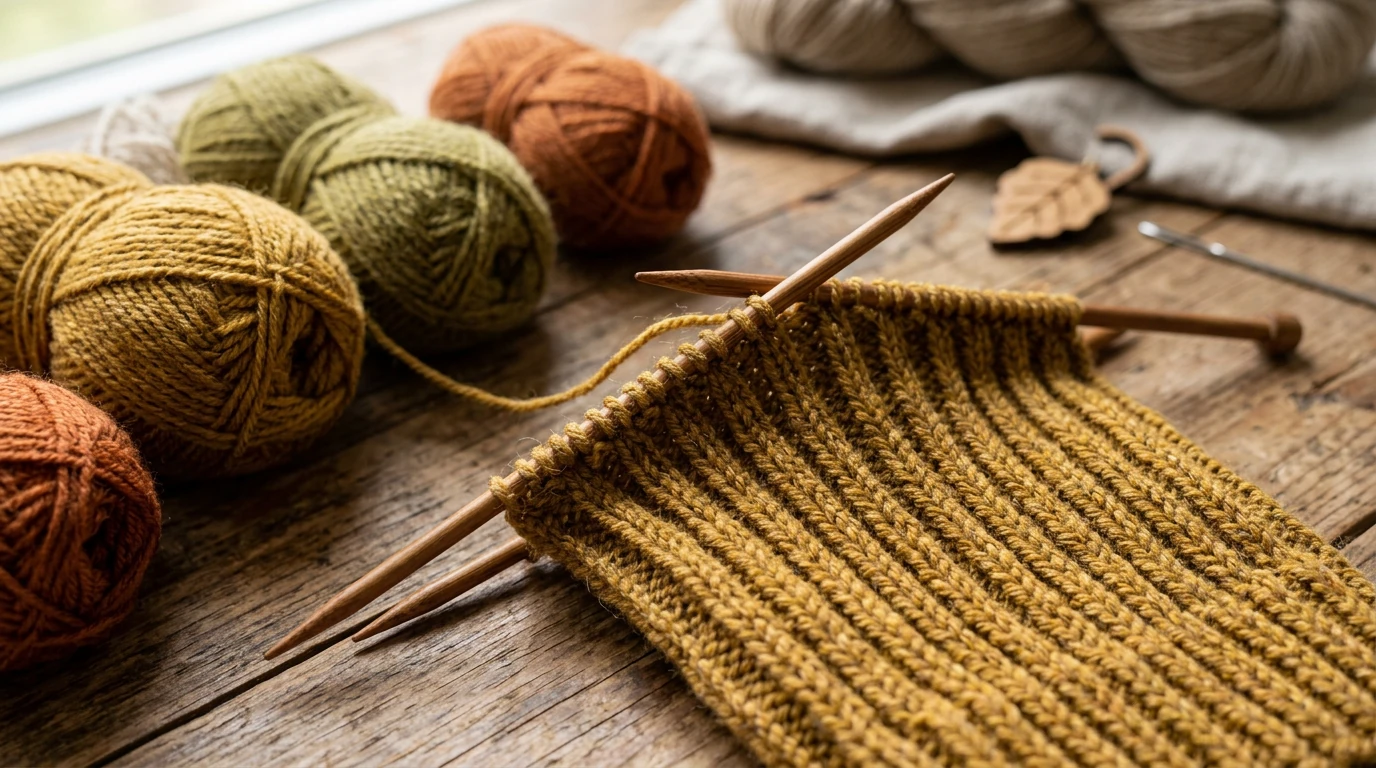
Avoid coarse, scratchy wools. While they might look rustic and charming, they can cause friction against your puppy's sparse belly hair, leading to chafing and skin rashes. Instead, opt for organic cotton, high-quality acrylic blends, or superwash merino wool. Merino wool is incredibly soft, naturally temperature-regulating, and exceptionally gentle on sensitive puppy skin.
2. Stretch and Recovery
Young dogs are incredibly active. They run, tumble, and stretch during play. The fiber you choose must have good natural elasticity. Pure cotton, while breathable, tends to stretch out and sag over time without bouncing back. Acrylic-wool blends offer the perfect balance of warmth, lightweight comfort, and structural recovery, ensuring the dog jumper retains its shape even after multiple park adventures.
3. Machine Washability
Let's be realistic: puppies are messy. They walk through mud, roll in wet grass, and occasionally have accidents. Hand-washing a delicate sweater after every single walk is simply not practical. Look for yarn labeled "superwash" or choose premium acrylics that can handle repeated machine washings and low-heat tumble drying without shrinking or felting.
The Golden Rules of Sizing a Growing Puppy
One of the biggest challenges when shopping for or knitting knitted puppy jumpers is their rapid growth rate. A sweater that fits perfectly on Monday might feel snug by the following weekend.
To ensure a safe and comfortable fit, you must measure your pup accurately. Grab a soft measuring tape and capture these three vital dimensions:
- The Neck: Measure around the thickest part of the neck, right where a collar would naturally sit. Ensure you can easily slide two fingers under the tape.
- The Chest (Girth): Measure the widest part of your puppy’s ribcage, immediately behind their front legs. This is the most crucial measurement for comfort and freedom of movement.
- The Length: Measure along the spine from the base of the neck (between the shoulder blades) to the base of the tail.
| Measurement Area | How to Measure | Puppy Fit Goal |
|---|---|---|
| Neck | Around the base of the neck, leaving a two-finger gap. | Snug but never restrictive; should slide on and off easily. |
| Chest (Girth) | The widest part of the ribcage, directly behind front legs. | The anchor of the fit. Must allow full shoulder extension. |
| Length | From the shoulder blades to 2 inches before the tail base. | Should cover the core organs without interfering with bathroom breaks. |
Designing for Growth
When selecting a dog jumper for a growing puppy, look for designs that feature high-stretch stitch patterns. Ribbing (such as 2x2 rib stitch) is your best friend here. A fully ribbed sweater can expand significantly horizontally as your puppy fills out, extending the wearable life of the garment by several weeks or even months.
Key Design Features of Practical Knitted Dog Jumpers
Not all knitwear patterns are created equal. A design that looks beautiful on a hanger might prove frustratingly impractical in real-world dog ownership. When choosing or knitting a design, prioritize these functional elements:
Seamless Construction
Seamless designs—often knitted in the round from the top down—are superior for pet wear. Seams can rub against a puppy's underarms, causing irritation during long walks. Seamless construction also creates a stronger, more durable garment that is less likely to split at the joints during rough play.
Generous Underbelly Clearance
This is especially critical for male puppies, but important for all dogs. The underside of the jumper should taper off mid-chest, leaving the lower belly free. This prevents the fabric from getting soiled when your puppy relieves themselves, saving you from a never-ending cycle of laundry.
Leg Holes vs. Sleeves
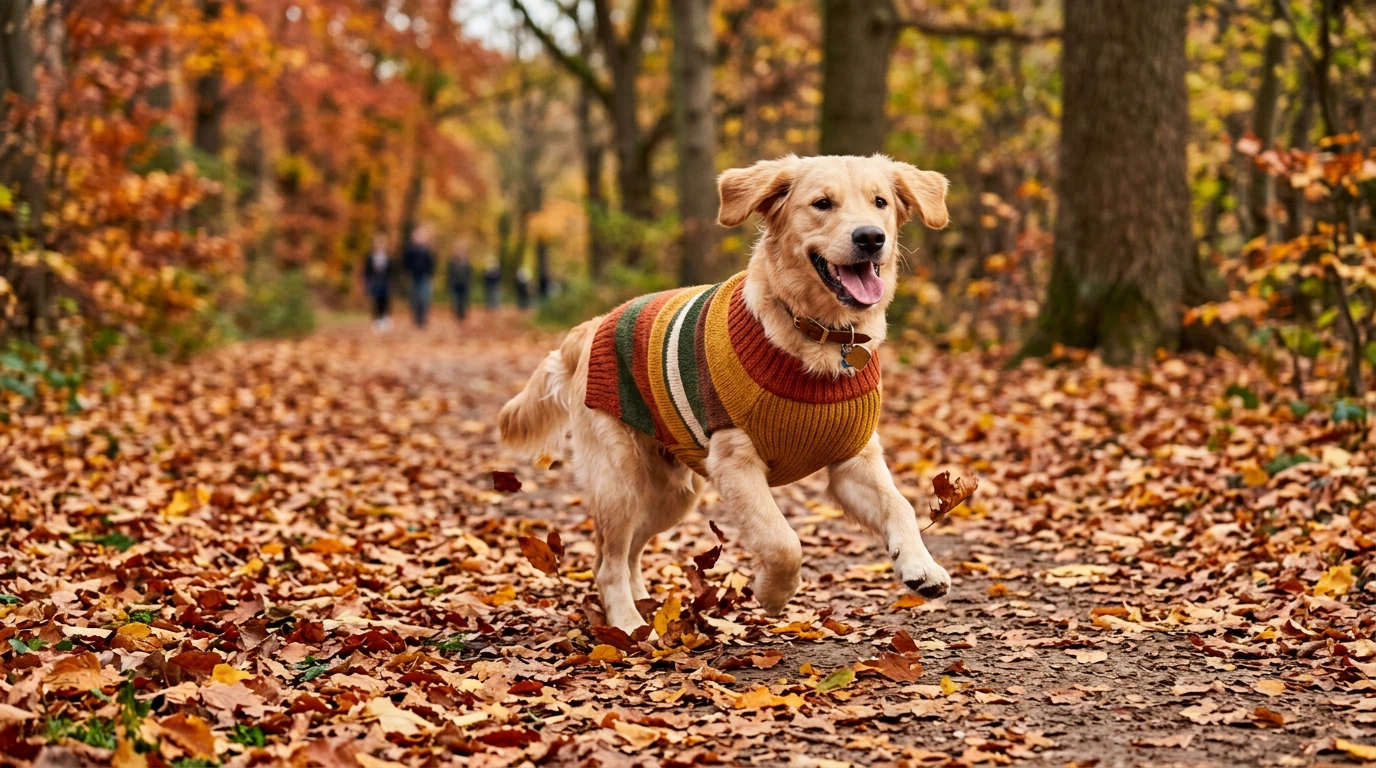
While long sleeves on a dog sweater look undeniably adorable, they can be highly restrictive for young dogs. Puppies are still developing their coordination. Long sleeves can catch on dewclaws, trap paws during play, or cause tripping. For puppies, simple, wide-cut leg holes trimmed with a soft rib stitch are far safer and much easier to slip on and off.
Safety Considerations for Knitwear
As pet parents, safety is always our top priority. Before you slip that new hand knitted dog jumper over your puppy's head, take a moment to perform a quick safety sweep:
- Ditch the Embellishments: Avoid sweaters decorated with plastic buttons, loose tassels, pompoms, or beads. A curious puppy will quickly identify these as chew toys, presenting a severe choking or intestinal blockage hazard.
- Watch for Loose Loops: Intricate lace patterns or highly textured cable stitches with loose, floating strands can easily snag on twigs, brambles, or even your puppy's own claws. Stick to tight, dense stitch patterns like garter stitch, moss stitch, or classic ribbing.
- Monitor for Overheating: While puppies struggle to stay warm, they can also overheat if left indoors wearing heavy wool. Always remove your dog's jumper once you return to a warm house. Watch for signs of overheating, such as heavy panting, red ears, or lethargy.
- Supervised Wear Only: Never leave a puppy unattended while they are wearing a jumper, especially if they are crated. A snagged sweater can trap a puppy in an uncomfortable or dangerous position.
How to Introduce Your Puppy to Their New Jumper
For a young puppy, wearing clothing is a brand-new sensation that can feel quite strange at first. It is not uncommon for a puppy to freeze in place, refuse to walk, or try to bite at the fabric the first time you put a sweater on them.
To make the experience positive, follow these simple steps:
- Introduce the Scent: Lay the jumper on the floor and let your puppy sniff it. Place a few high-value treats on top of the fabric so they associate the sweater with positive rewards.
- Practice the Head Slip: Gently bunch the neck opening of the jumper, hold a treat on the other side, and encourage your puppy to push their nose and head through the opening voluntarily to grab the treat. Do not force it; repeat this step until they are completely comfortable.
- Short, Positive Sessions: Gently guide their legs through the leg holes, give them a jackpot of tasty treats, and let them wear the sweater for just two to three minutes while playing their favorite game. This distracts them from the sensation of the fabric.
- Gradually Increase Time: Slowly extend the wearing time over several days. Before you know it, your pup will eagerly run to the door, ready to slip into their cozy gear for their daily outdoor adventures.
Investing time in finding or crafting high-quality knitted dog jumpers pays off in dividends of comfort, safety, and warmth. By selecting soft, resilient yarns, prioritizing a flexible fit, and keeping safety at the forefront, you can ensure your growing puppy stays warm, protected, and incredibly stylish through every single season.